Ph.D. application date has been extended till 10th May, 2026. More Details Online Programmes Click here Open House -2026 Click here

Ph.D. application date has been extended till 10th May, 2026. More Details Online Programmes Click here Open House -2026 Click here







Ganpat University
Green Initiatives
Committed to building a greener tomorrow - Ganpat University's campus-wide initiatives span renewable energy, water conservation, biodiversity, and sustainable infrastructure for a resilient and eco-responsible future.
Signature Green
Spaces & Centres
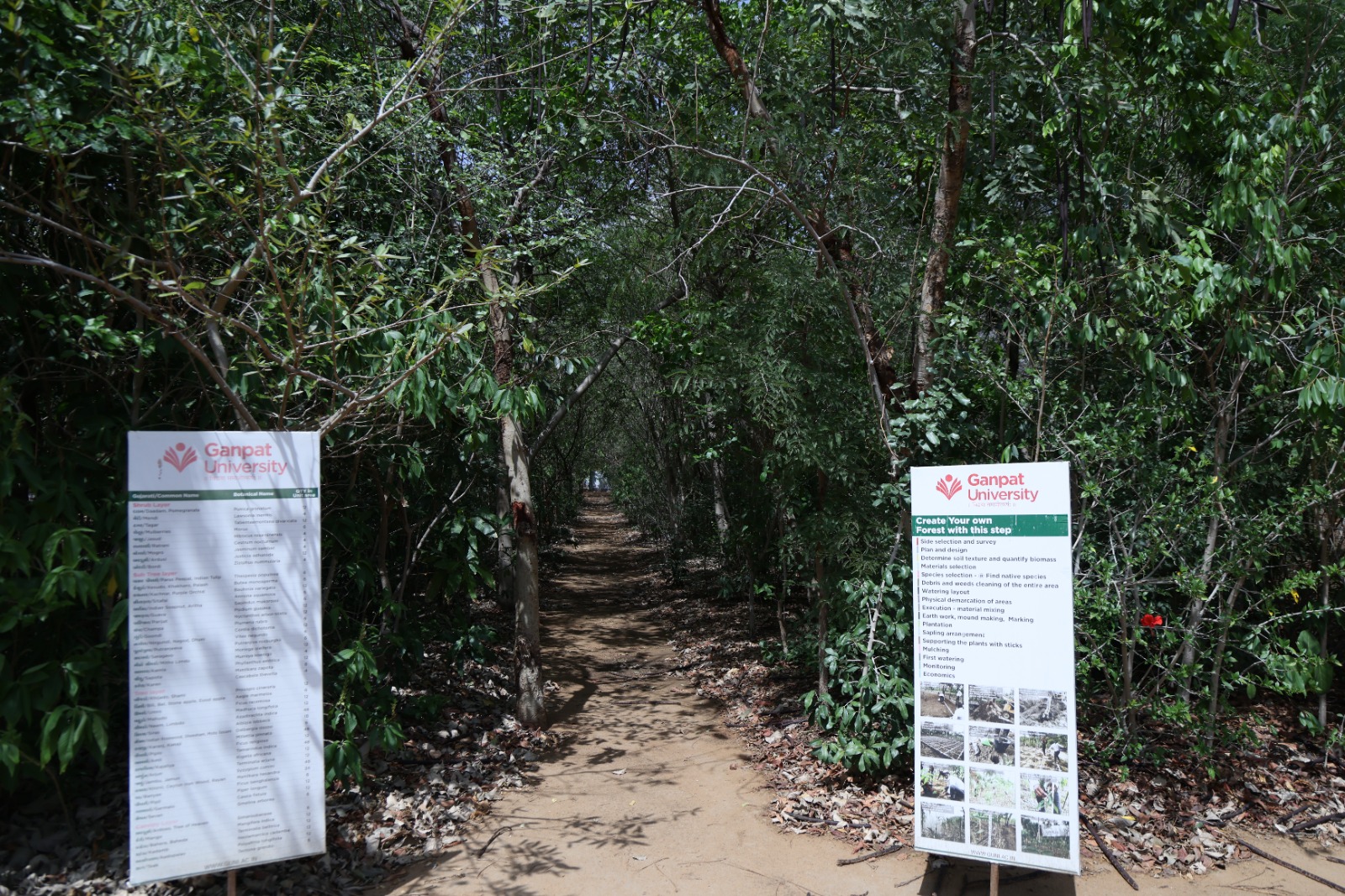
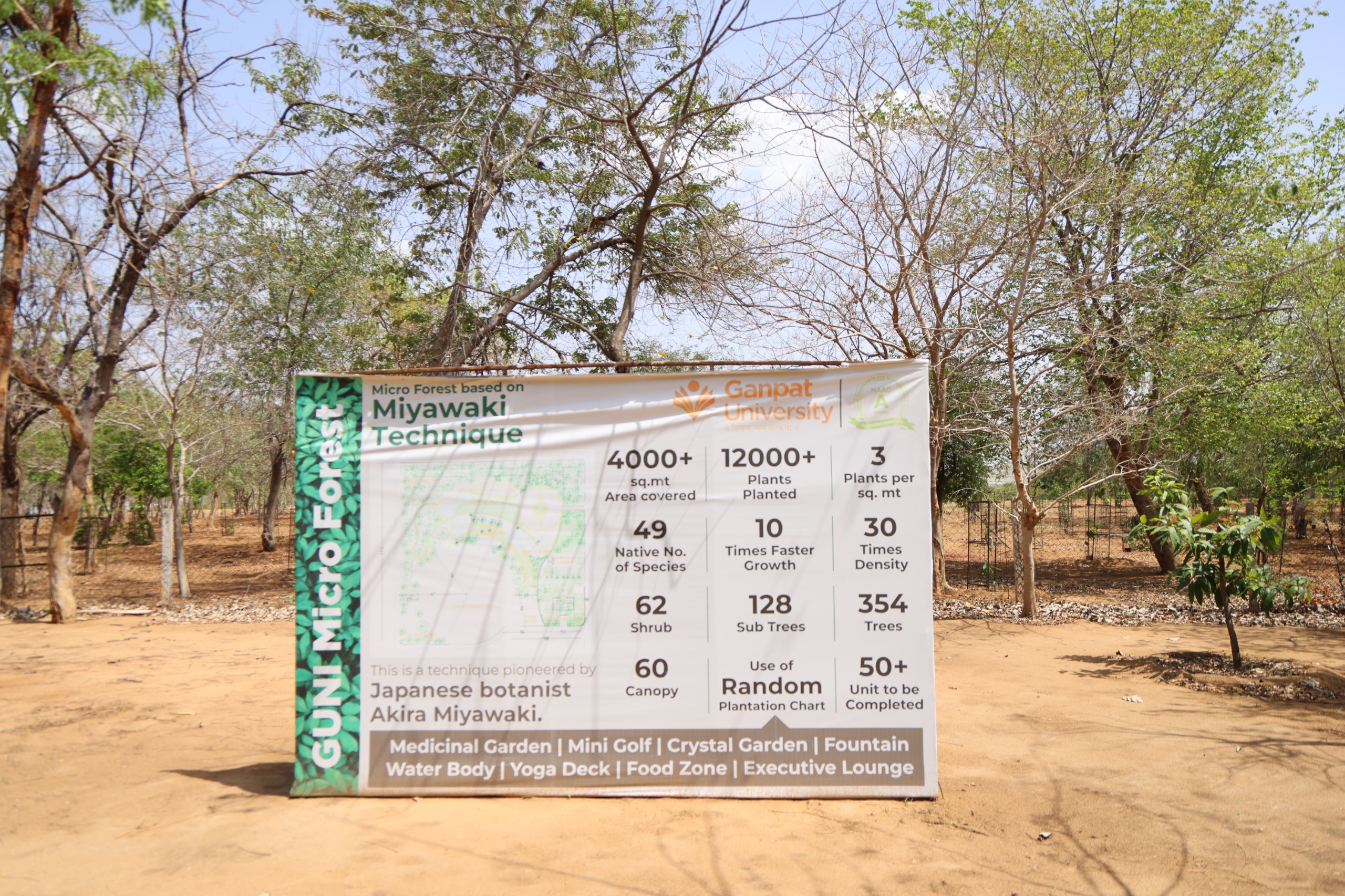
Four landmark sustainability initiatives that define the ecological character of our campus - each a living classroom, each a conservation success story.
Powering Tomorrow
with Renewable Energy
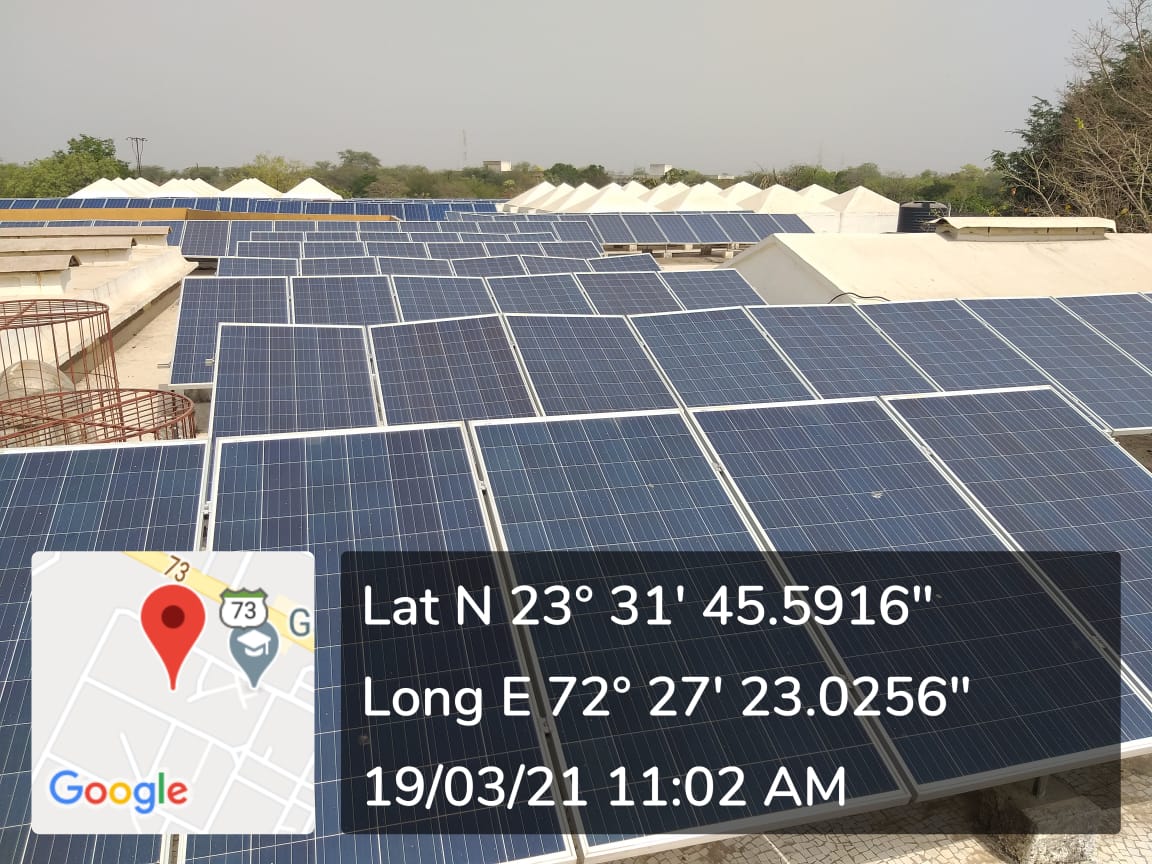
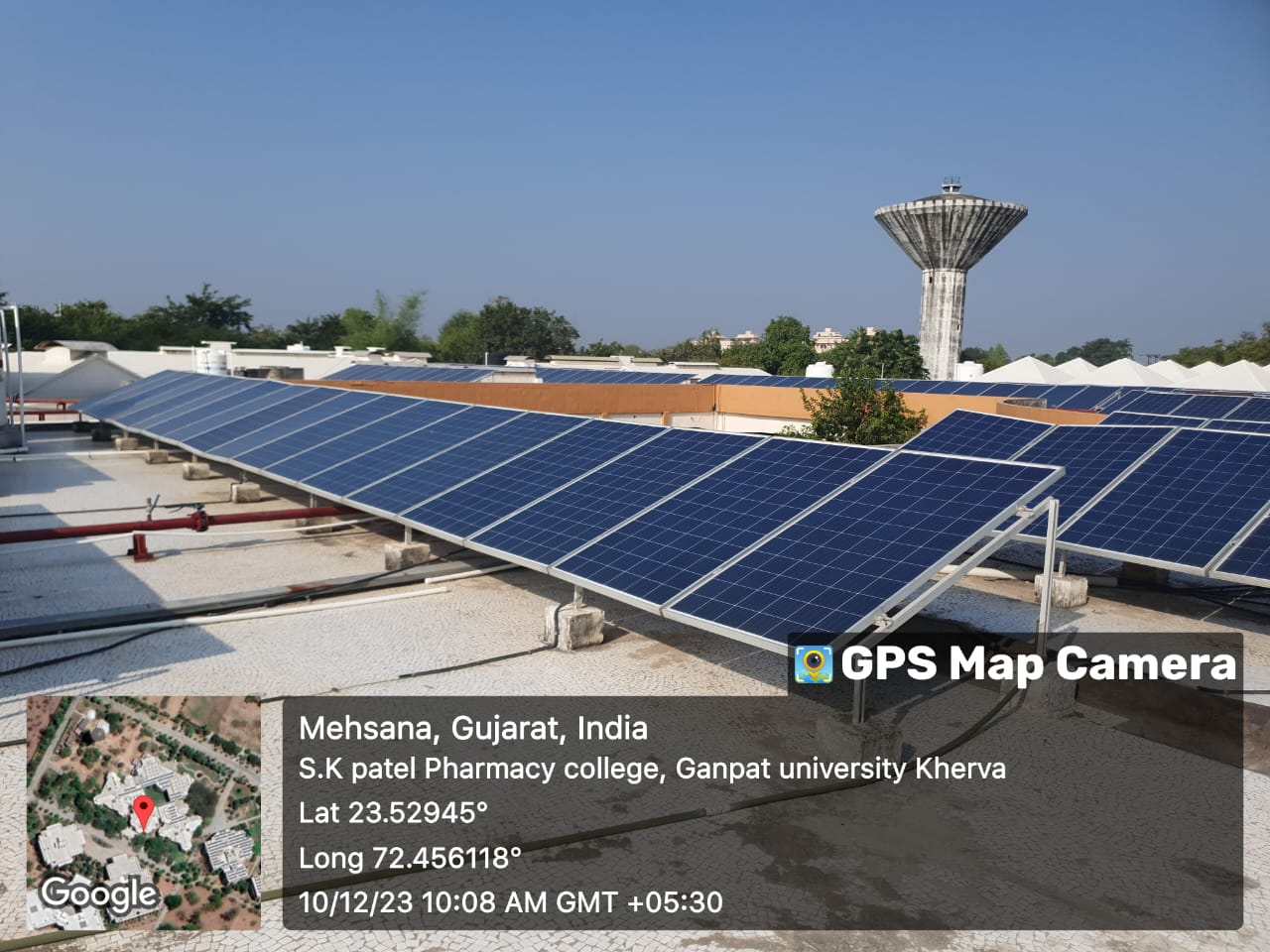
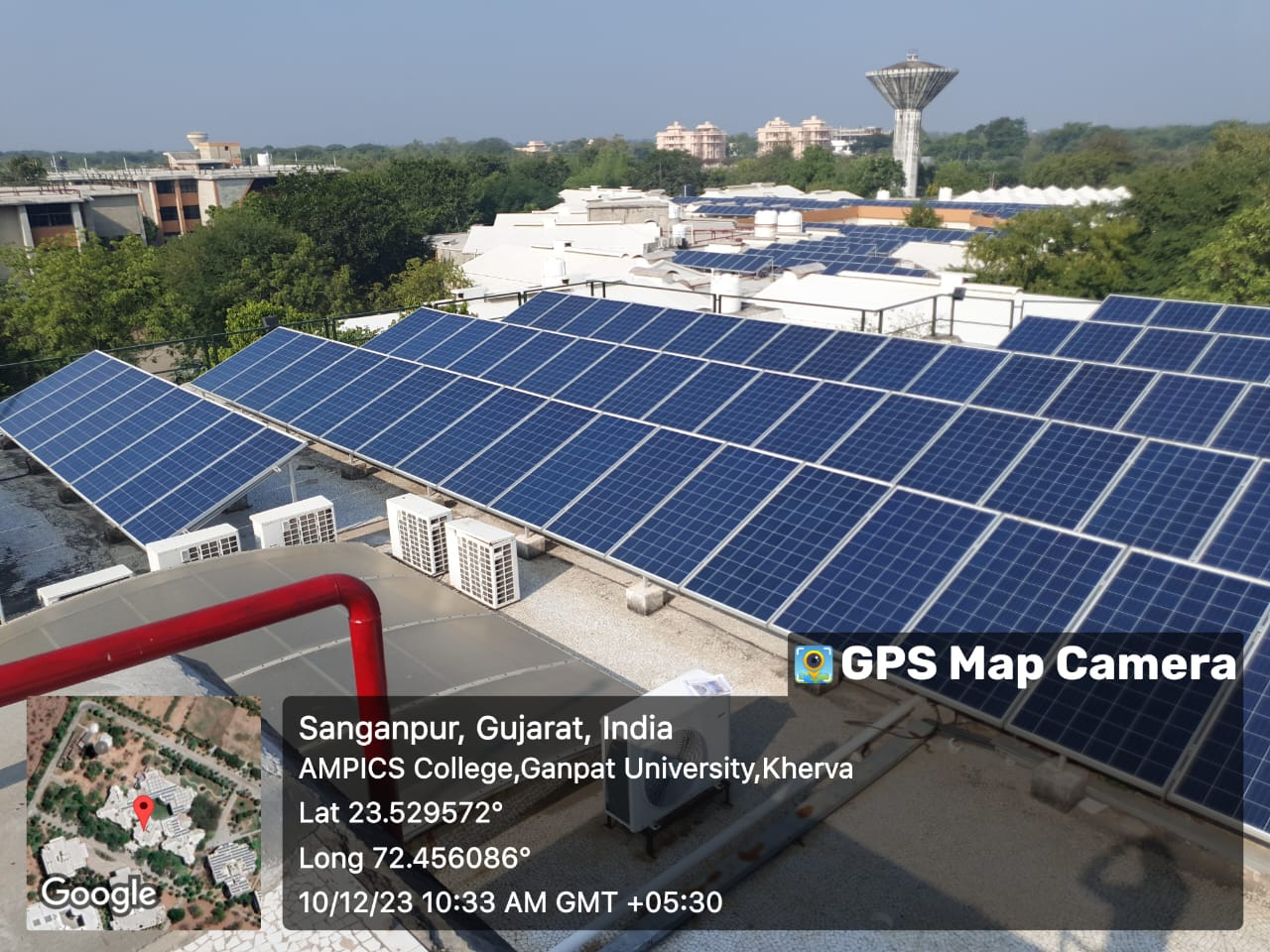
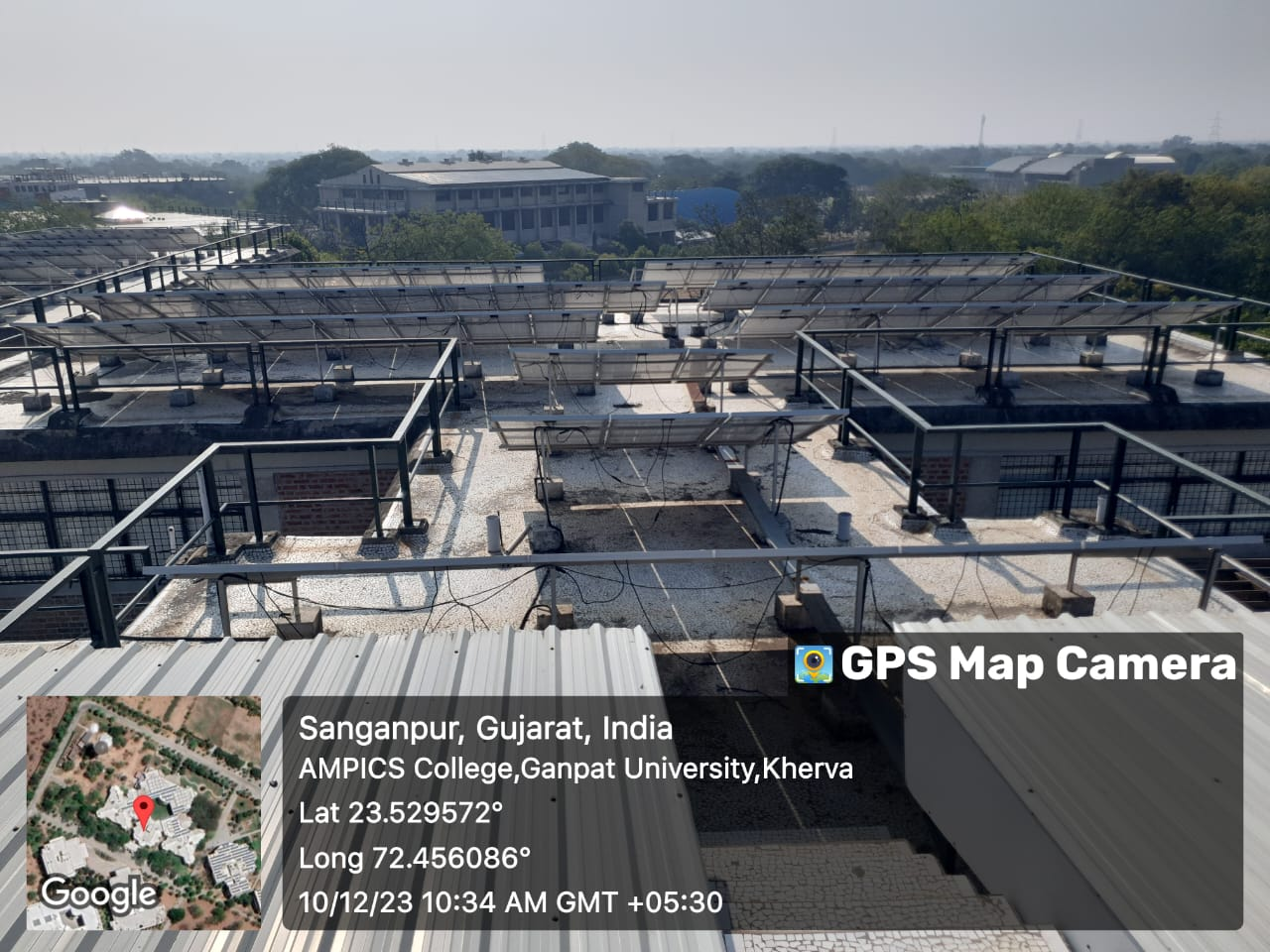
Ganpat University operates a 540 kWp dual-phase on-grid solar plant - Phase 1 (270 kWp, commissioned 7th July 2017) and Phase 2 (270 kWp, commissioned 8th April 2024) - generating 6,79,840 kWh in 2024-25. Total campus electricity consumption in 2024-25 was 15,79,250 kWh, with solar energy contributing 43% of total requirements. LED lighting covers more than 80% of all campus buildings, and more than 20% of conventional fans have been replaced with energy-efficient BLDC fans.
Solar Energy
A 540 kWp dual-phase on-grid rooftop solar plant powers the campus - Phase 1 (270 kWp, July 2017) and Phase 2 (270 kWp, April 2024) - generating 6,79,840 kWh in 2024-25 and meeting 43% of total campus electricity needs.
540 kWp · 6,79,840 kWh (2024-25)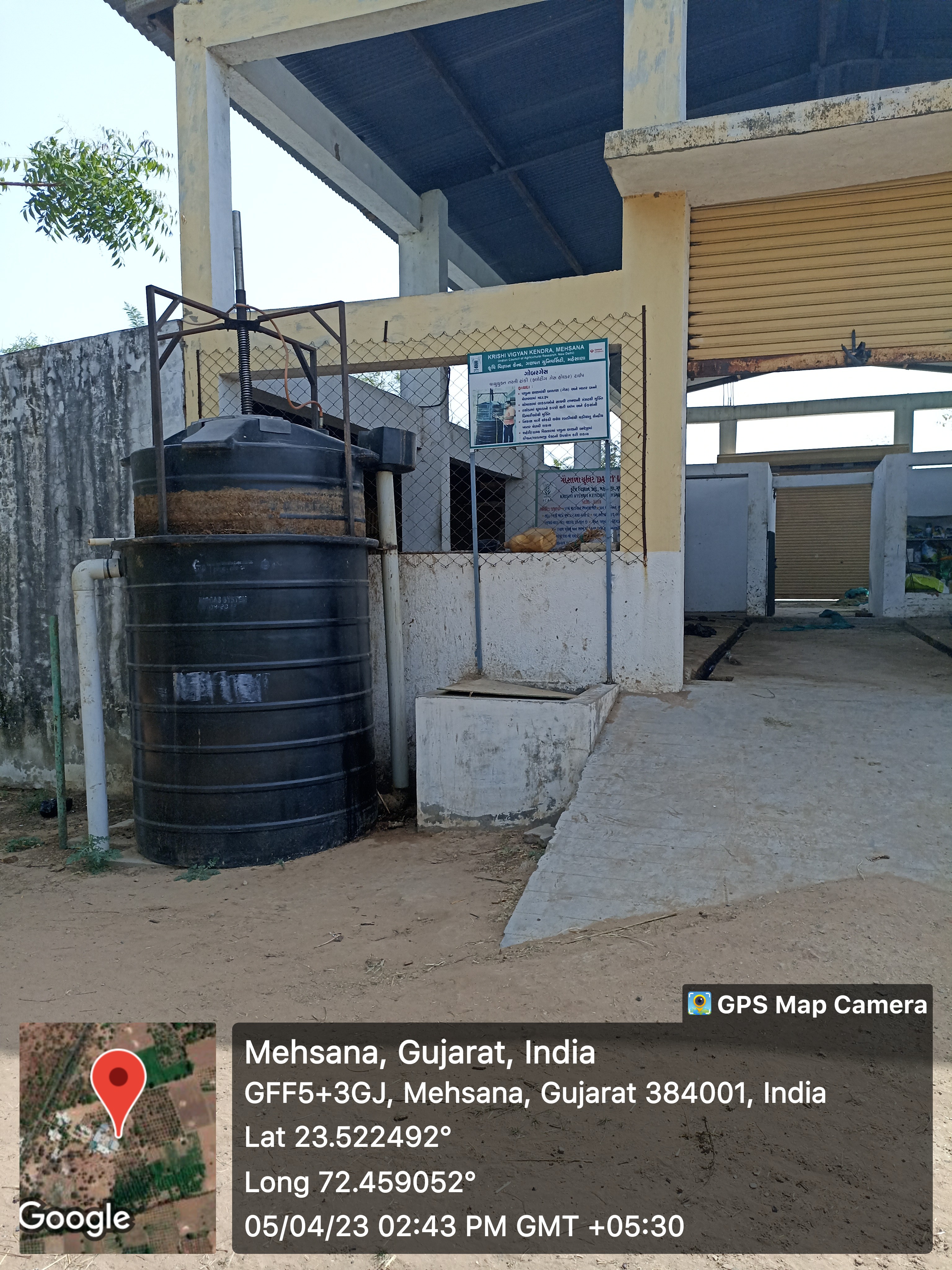
Biogas Plant
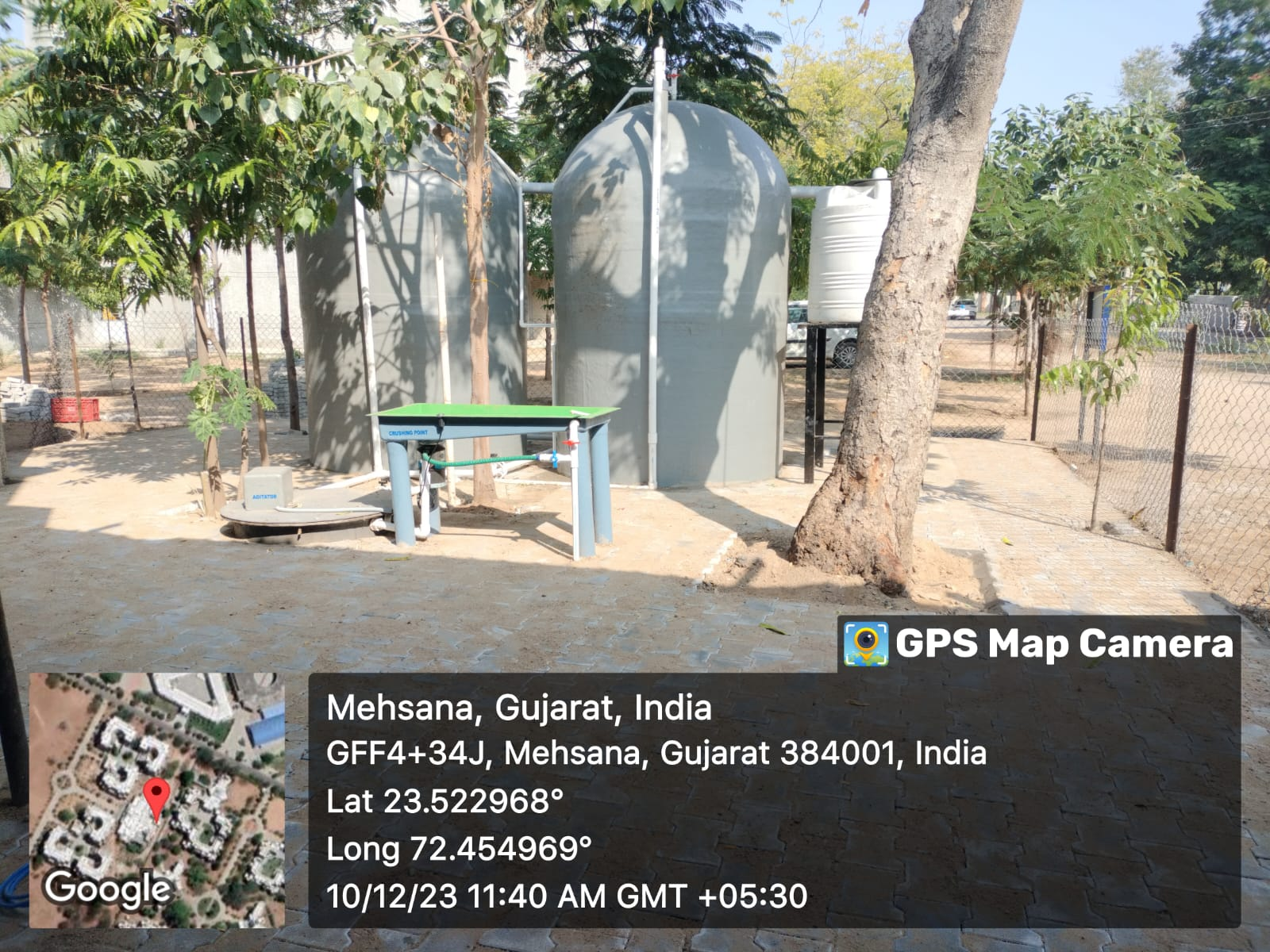
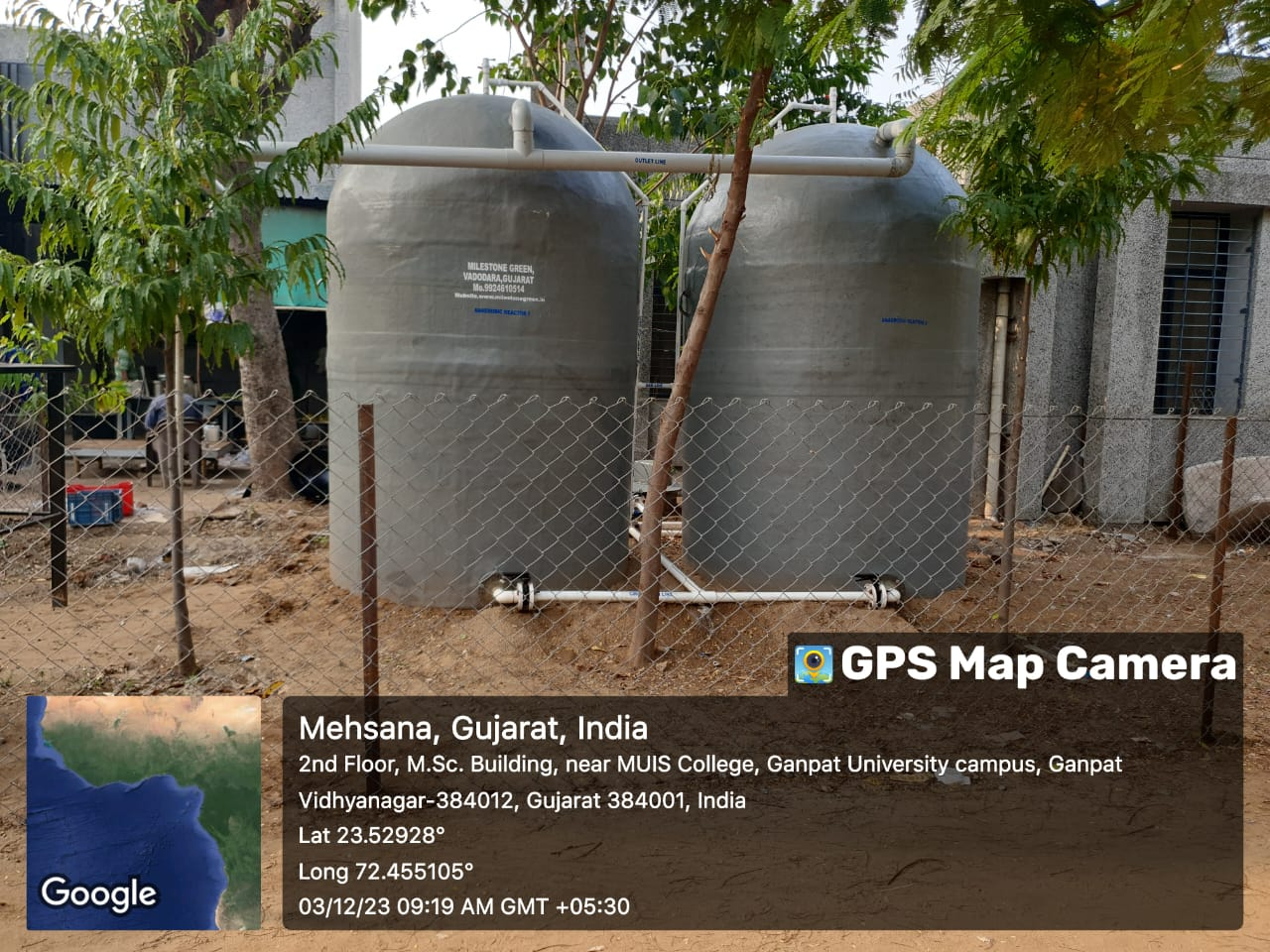
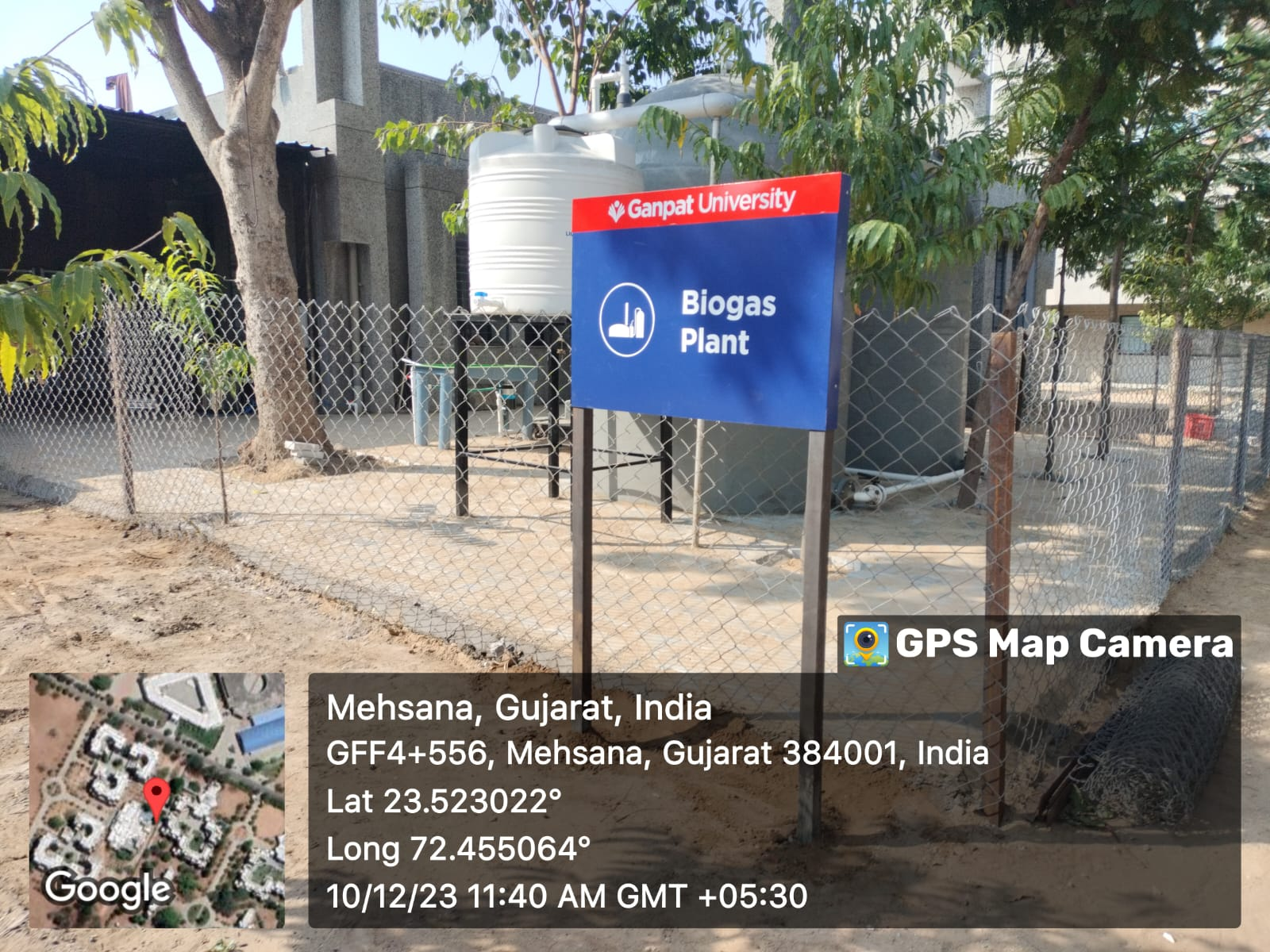
Campus organic waste is converted into clean biogas through anaerobic digestion, fuelling our central kitchen. Smart IoT meters track real-time consumption: total of 741.02 m³ generated (Mar–Jul 2024), with an average daily flow of 5.49 m³/day and a peak flow rate of 2.196 m³/h.
741.02 m³ total (Mar–Jul 2024) · Avg 5.49 m³/day · Max flow 2.196 m³/h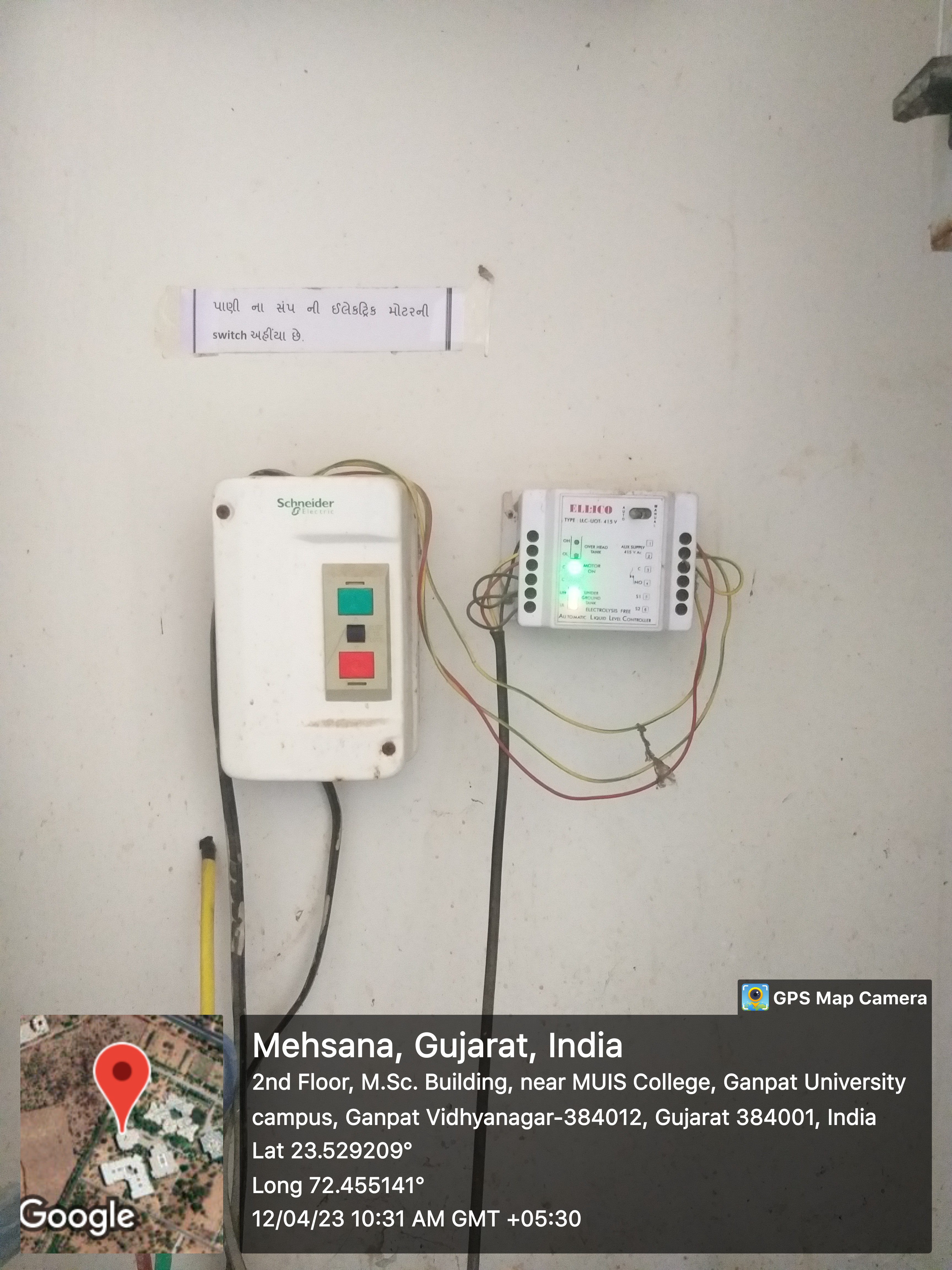
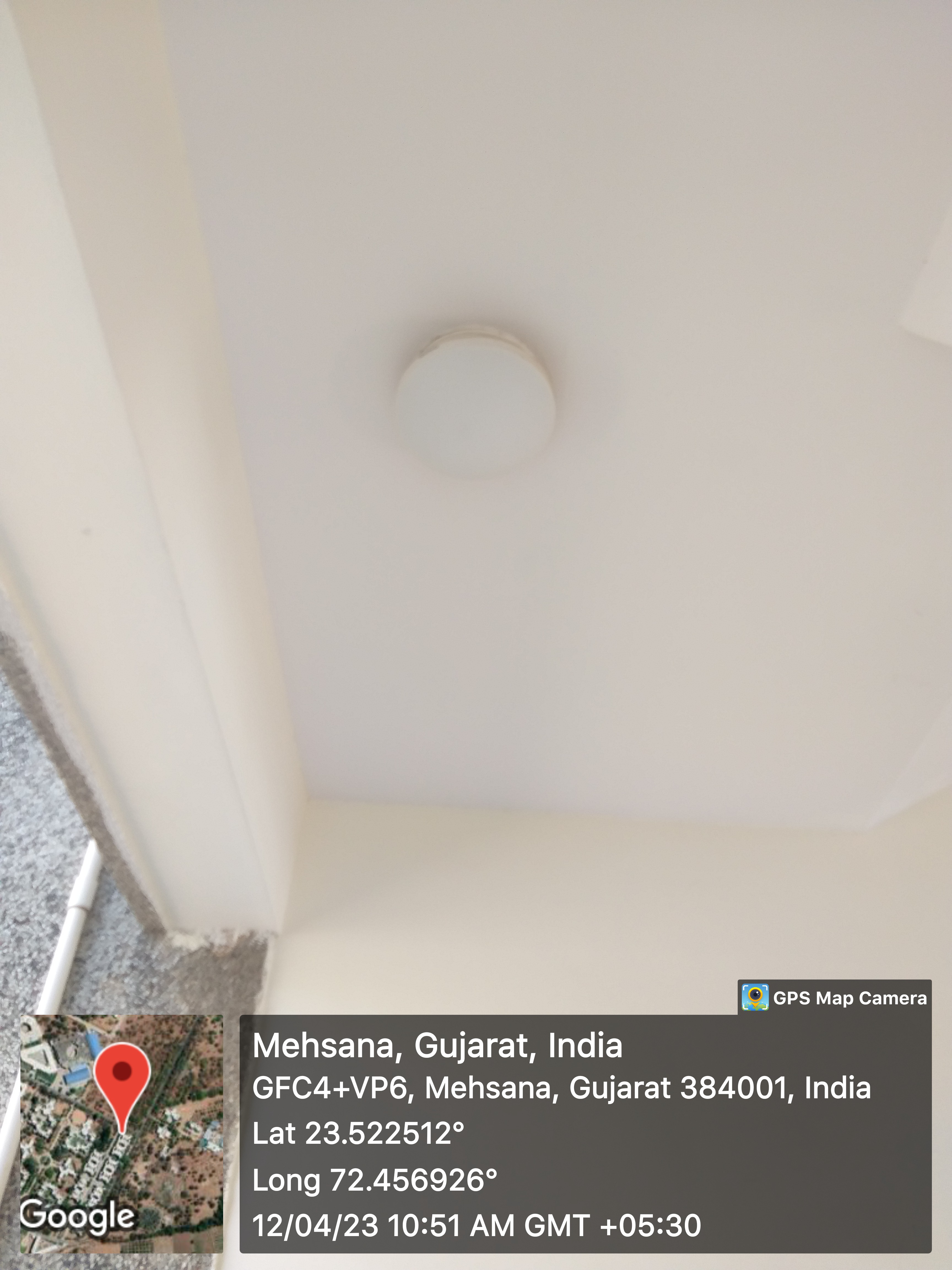
Sensor-Based Energy Conservation
Motion-activated lighting and occupancy sensors in labs and classrooms are deployed across campus. The institution has defined norms for cooling and heating equipment, including set temperatures and scheduled running hours, to systematically reduce electricity use.
Defined Energy Norms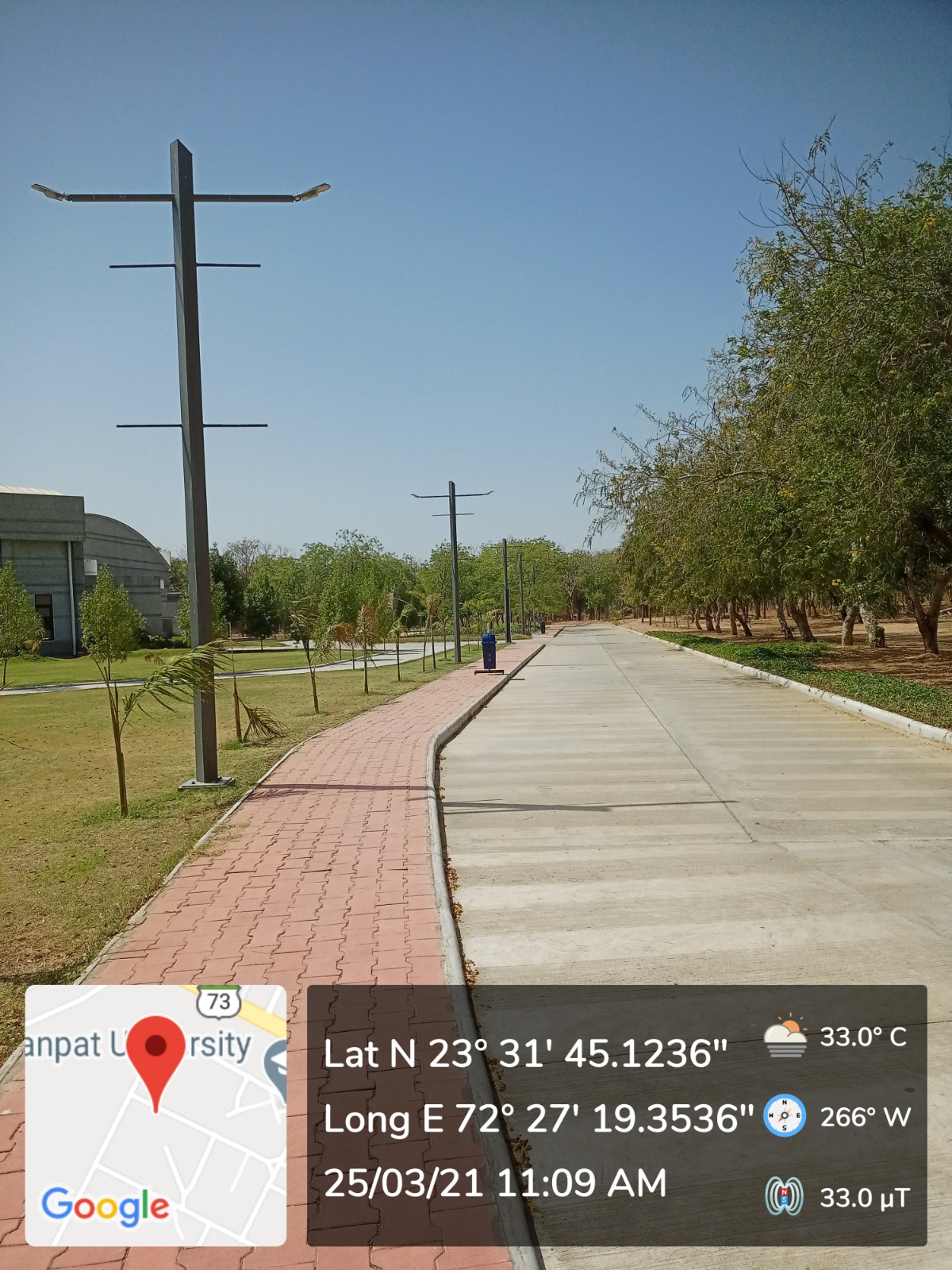
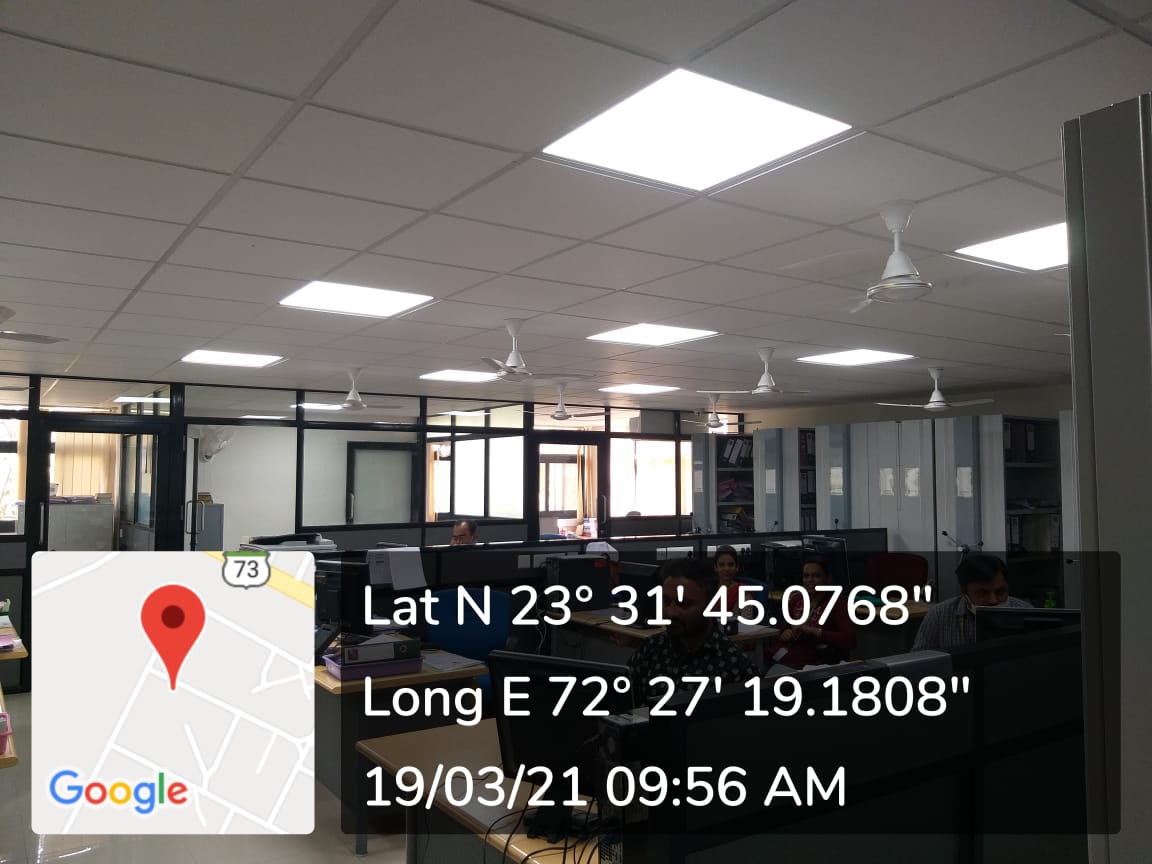
LED Bulbs & Power Efficient Equipment
More than 80% of campus lighting has been upgraded to high-efficiency LED fixtures, and more than 20% of conventional fans have been replaced with energy-efficient BLDC fans, significantly reducing electrical consumption across academic blocks, hostels, and common areas.
80%+ LED · 20%+ BLDC FansEvery Drop Matters -
We Make it Count
Our integrated water management strategy conserves, harvests, and recycles water at every stage, ensuring our campus remains a responsible steward of this precious resource.
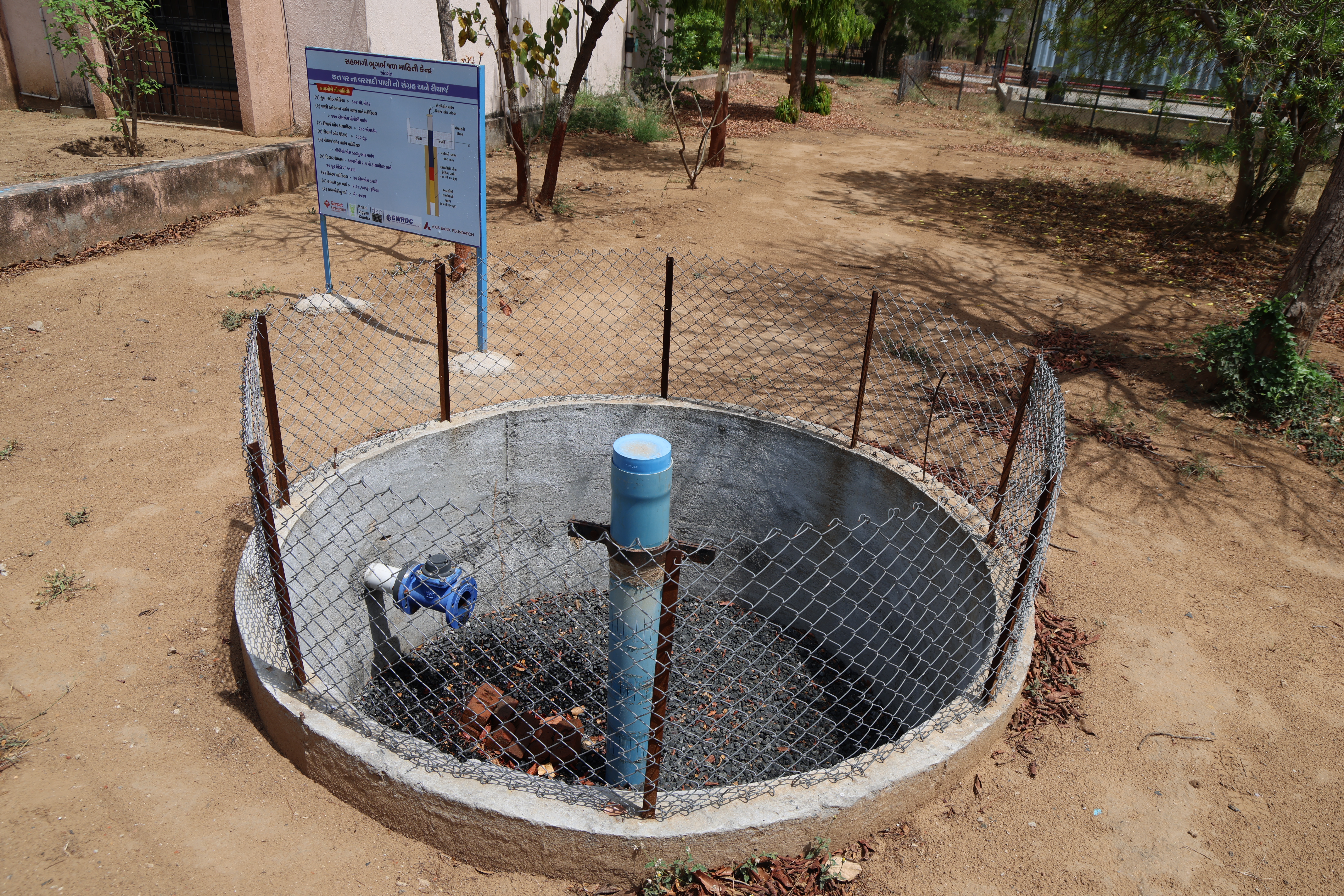
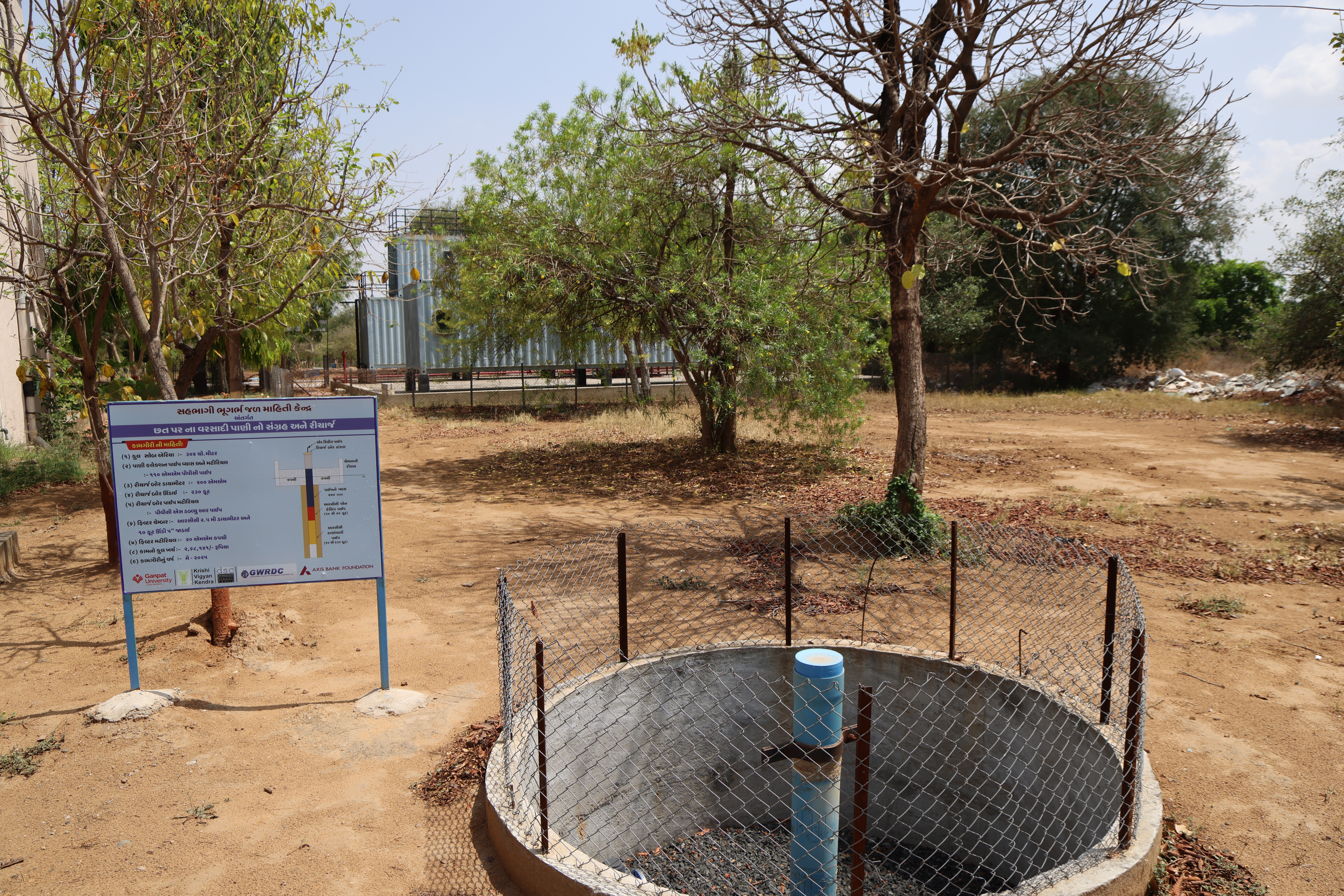
Rain Water Harvesting
An extensive rooftop and surface rainwater harvesting network spans 28 collection points across campus, channeling monsoon run-off into underground storage - capturing up to 50 million litres annually.
50 M Litres/Year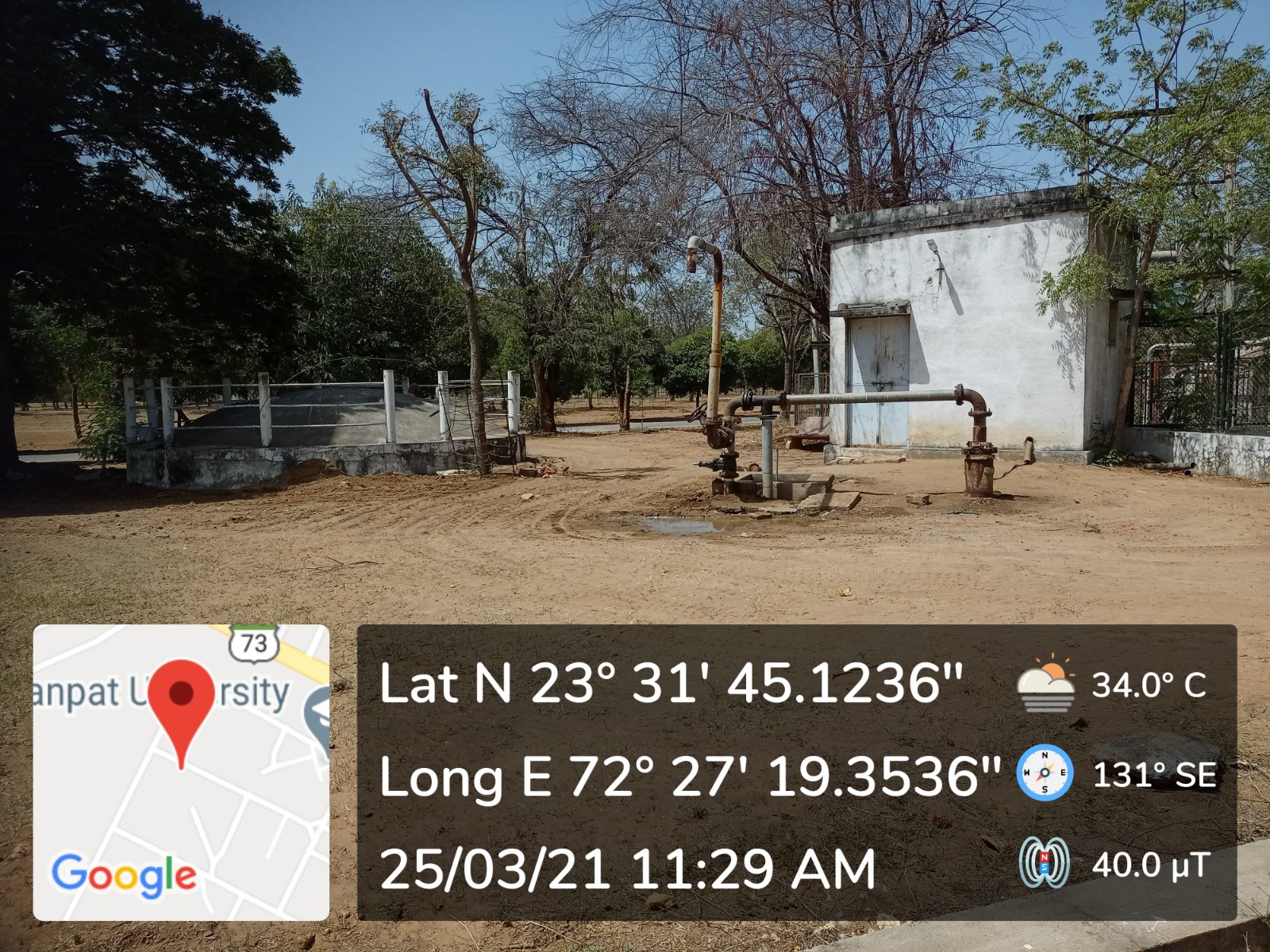
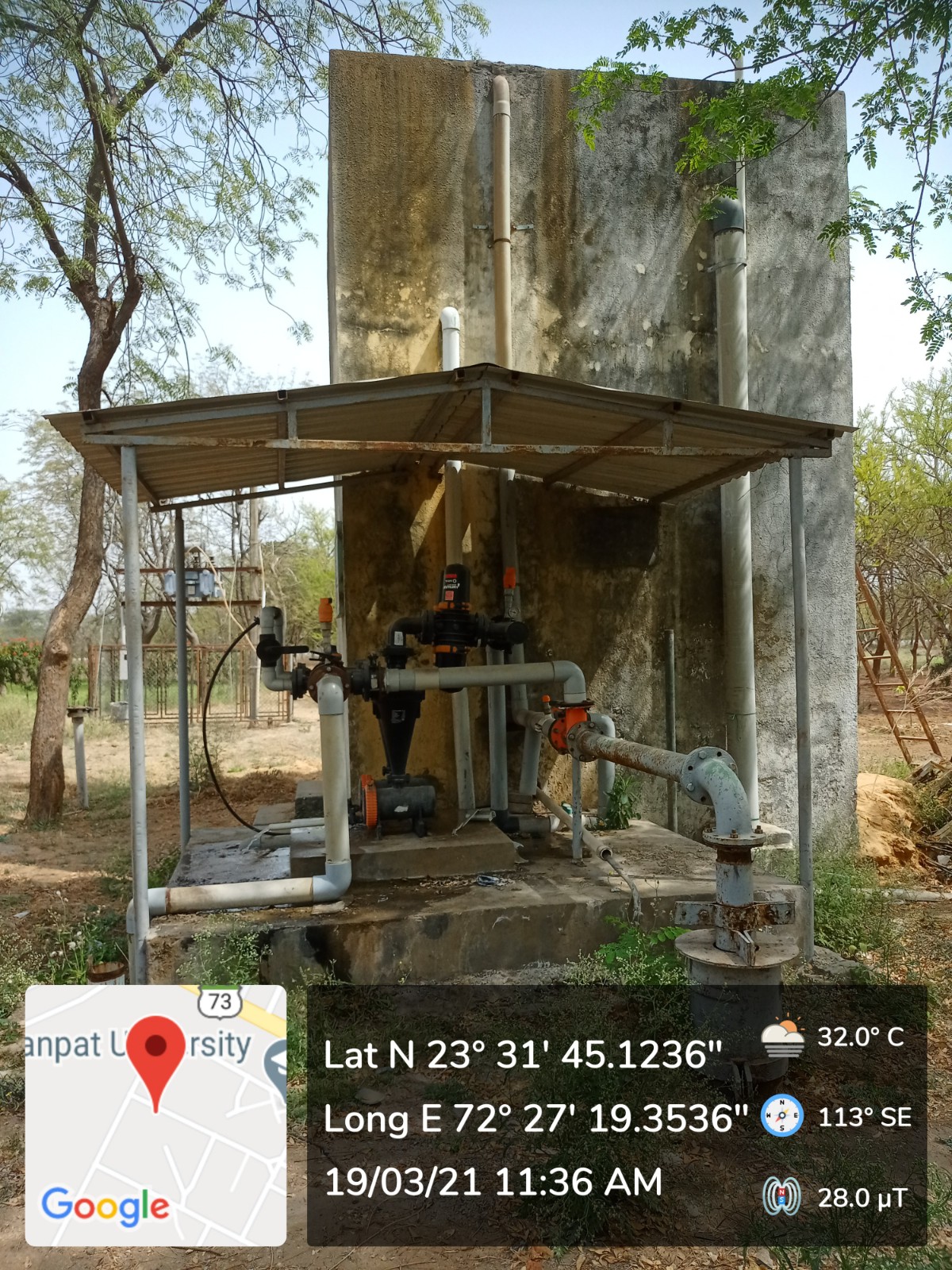
Borewell / Open Well Recharge
Dedicated recharge shafts and percolation pits alongside 14 borewells replenish groundwater tables, raising local aquifer levels by measurable amounts each monsoon season.
14 Borewells Recharged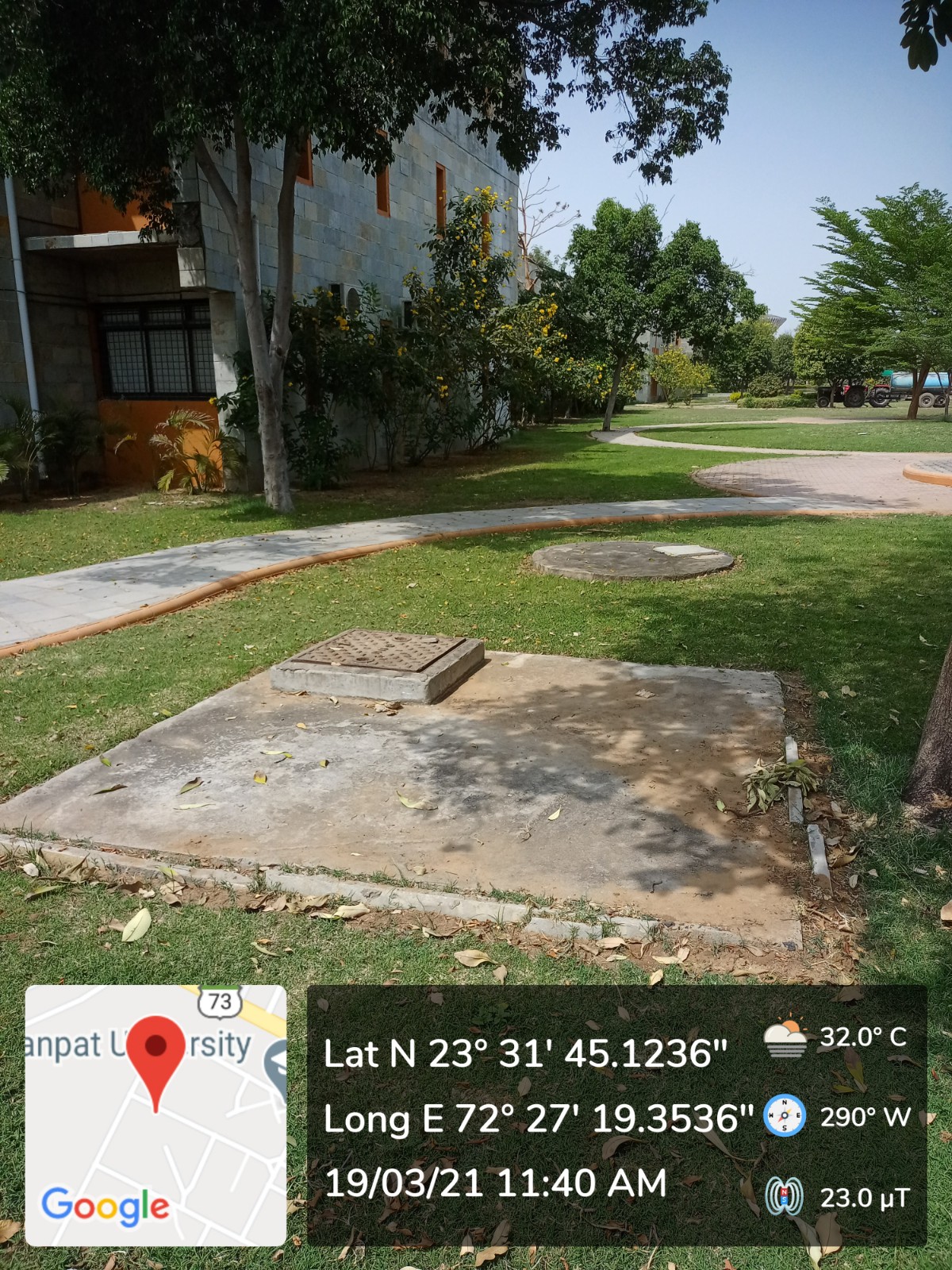
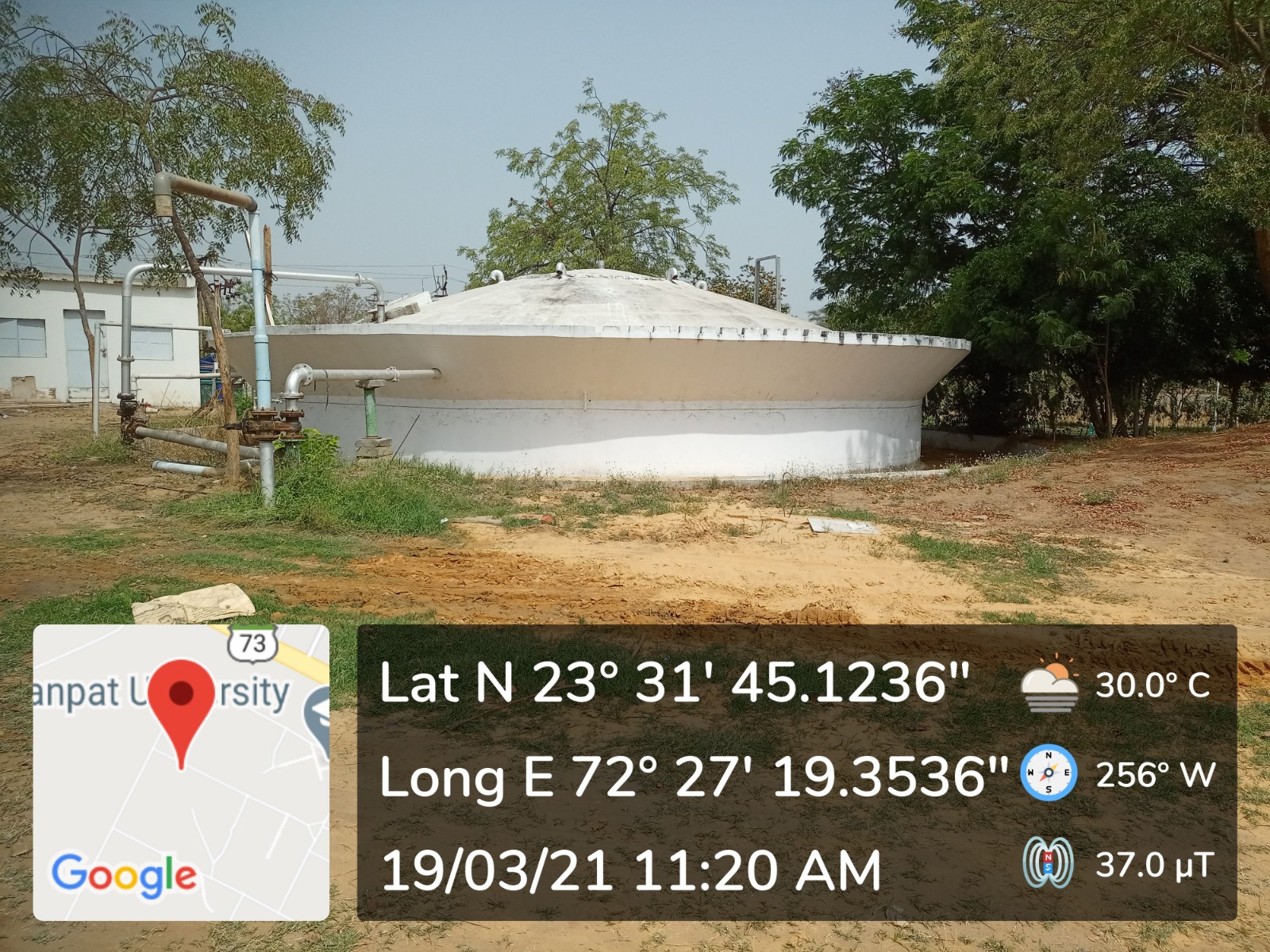
Construction of Tanks and Bunds
Strategic check dams and earthen bunds across the 300-acre campus slow surface runoff, increasing percolation and supporting a network of retention tanks that irrigate green spaces year-round.
Check Dams & Bunds · Year-Round Irrigation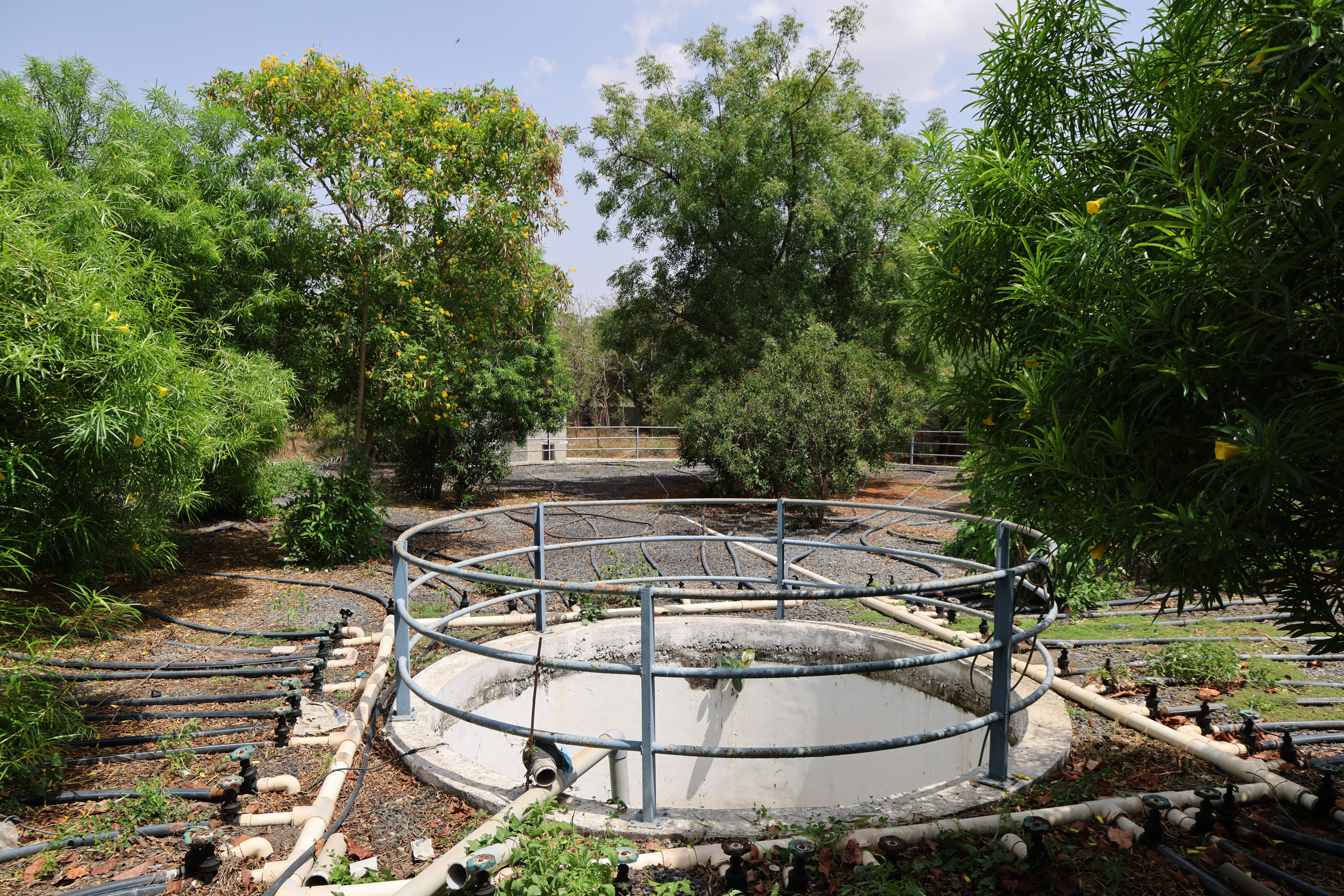
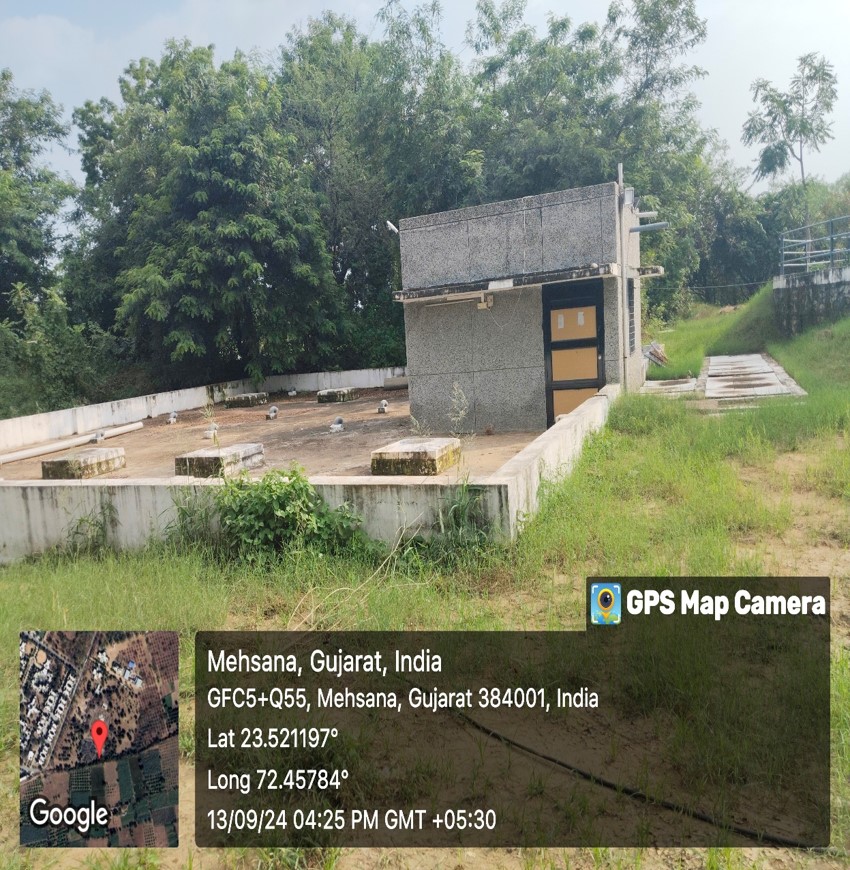
Waste Water Recycling
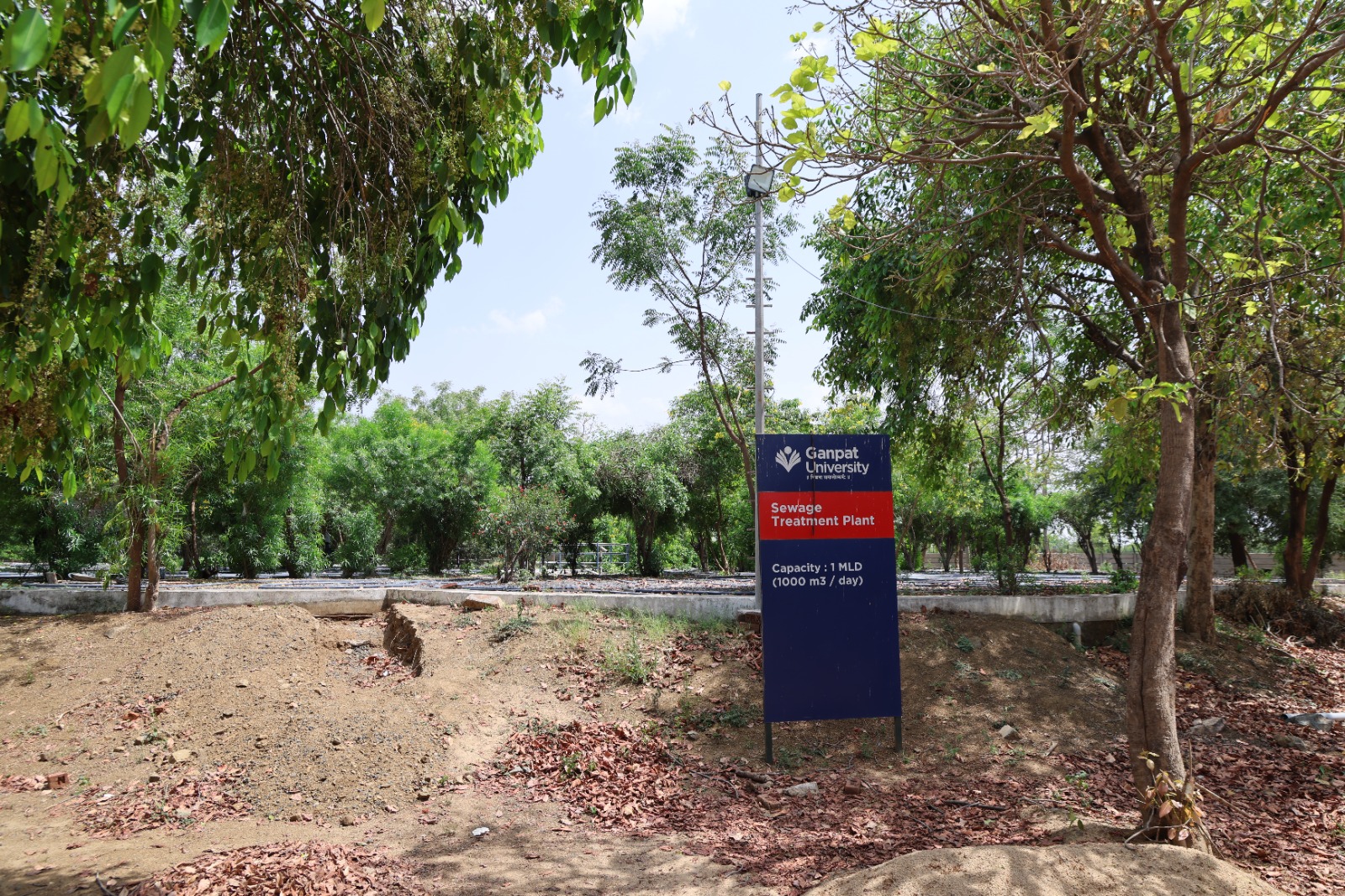
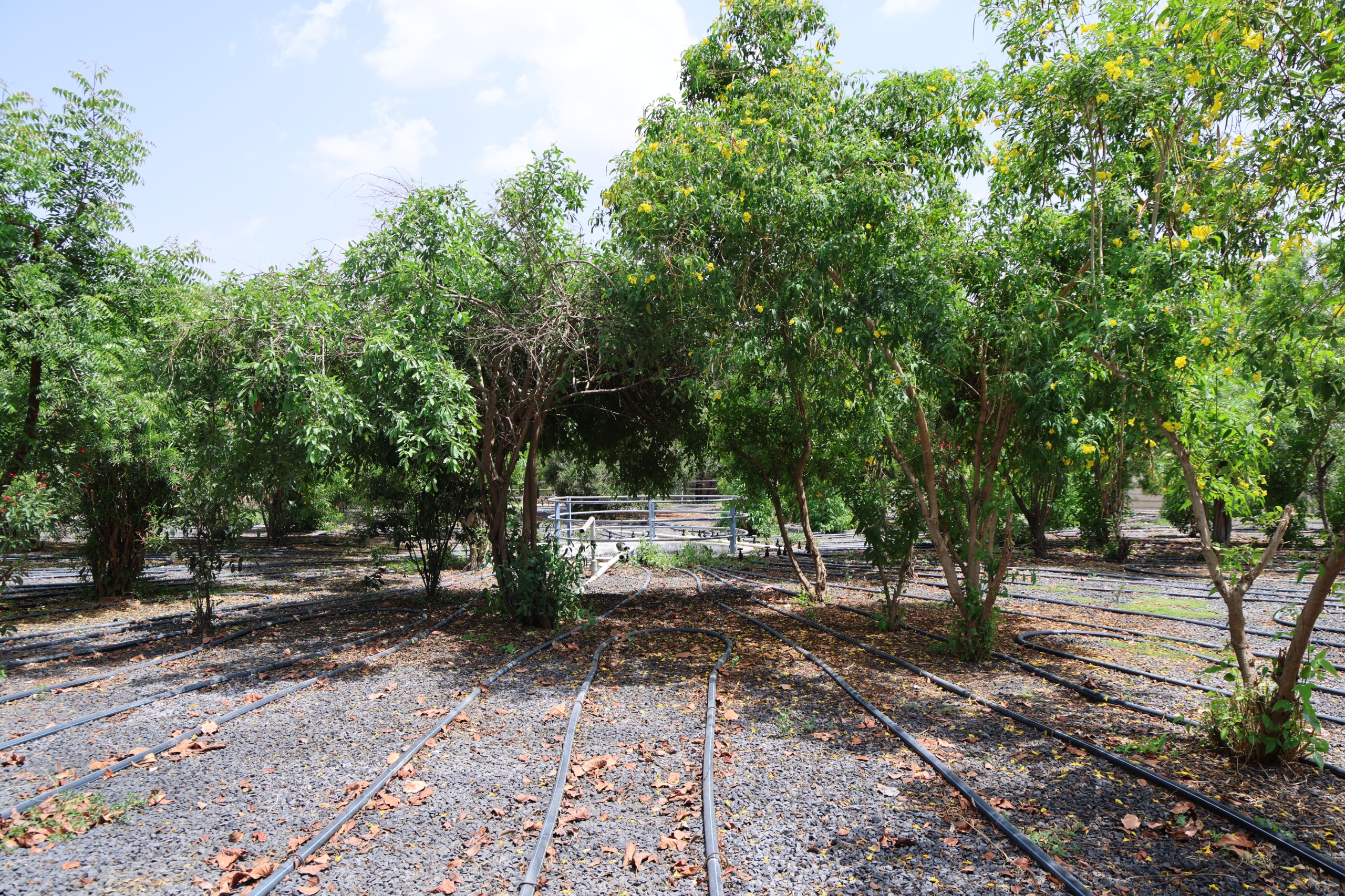
Our campus Sewage Treatment Plant (STP) treats wastewater through an advanced tertiary process, with approximately 90% of the treated output recycled for campus horticulture and toilet flushing. This closed-loop system significantly reduces freshwater demand and ensures responsible wastewater management across the campus.
~90% Wastewater RecycledLiving, Breathing
Green Every Day
Our campus isn't just a place of learning - it's a model sustainable community. From mobility to biodiversity, every policy is shaped by ecological responsibility.
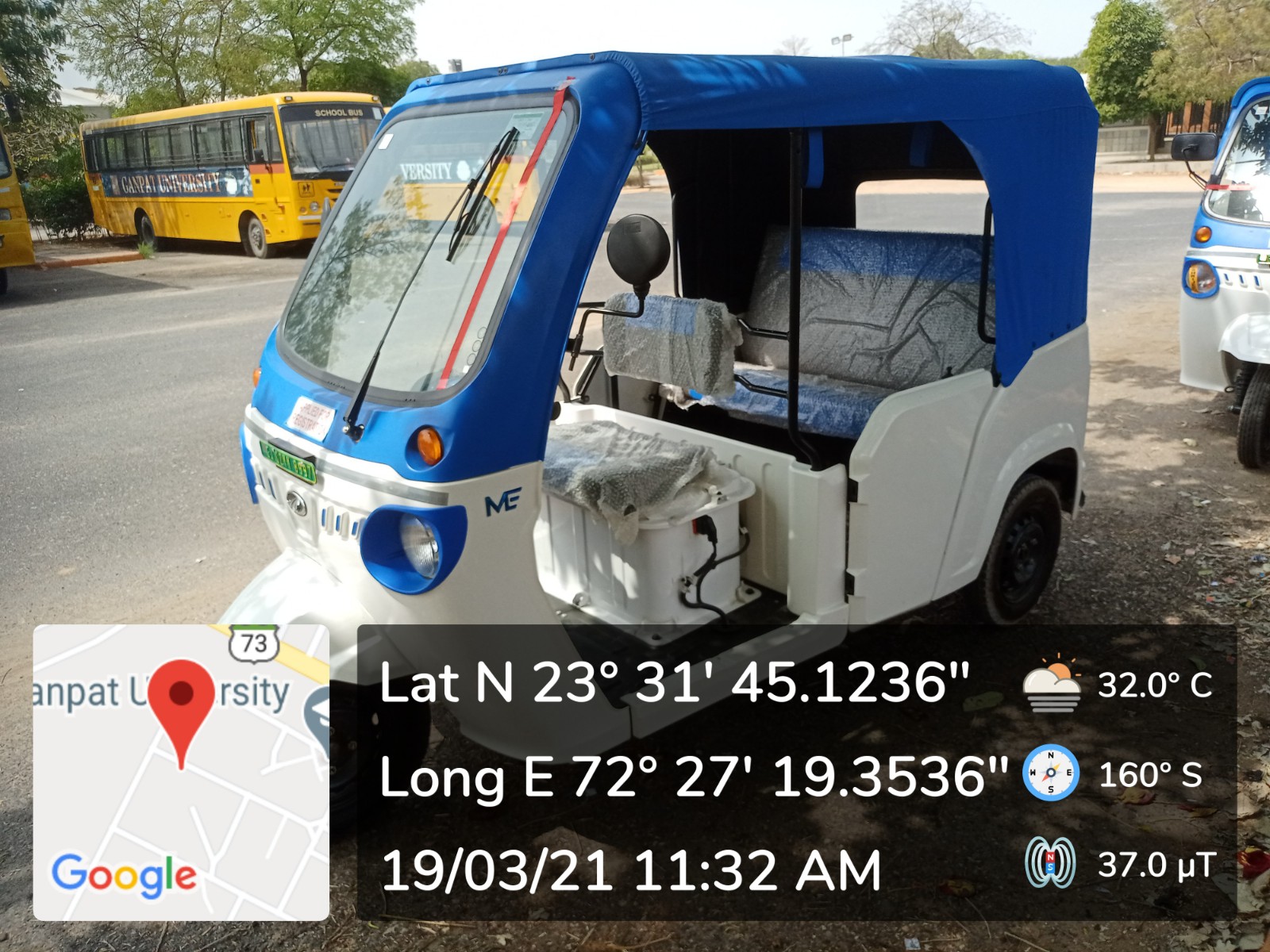
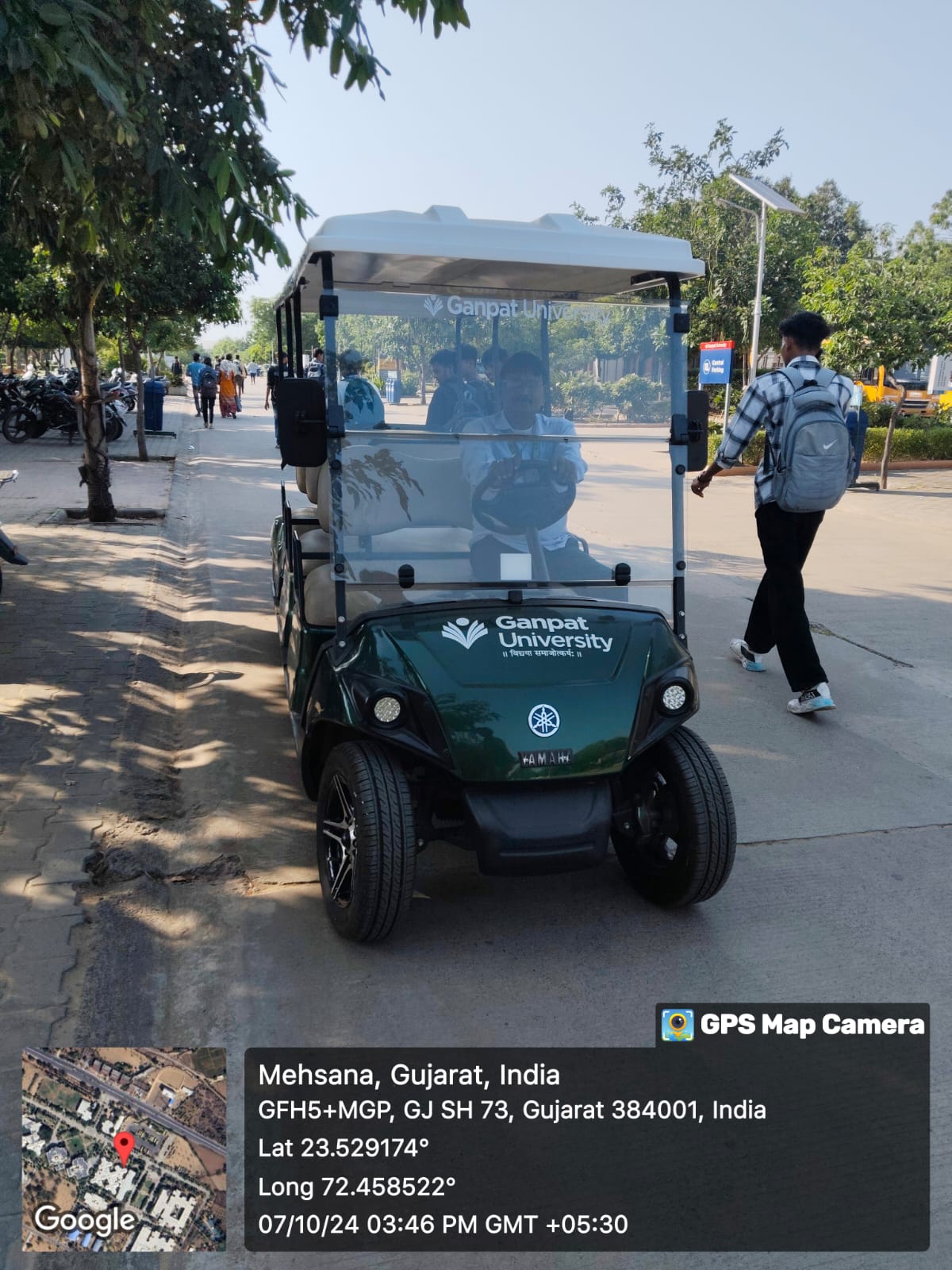
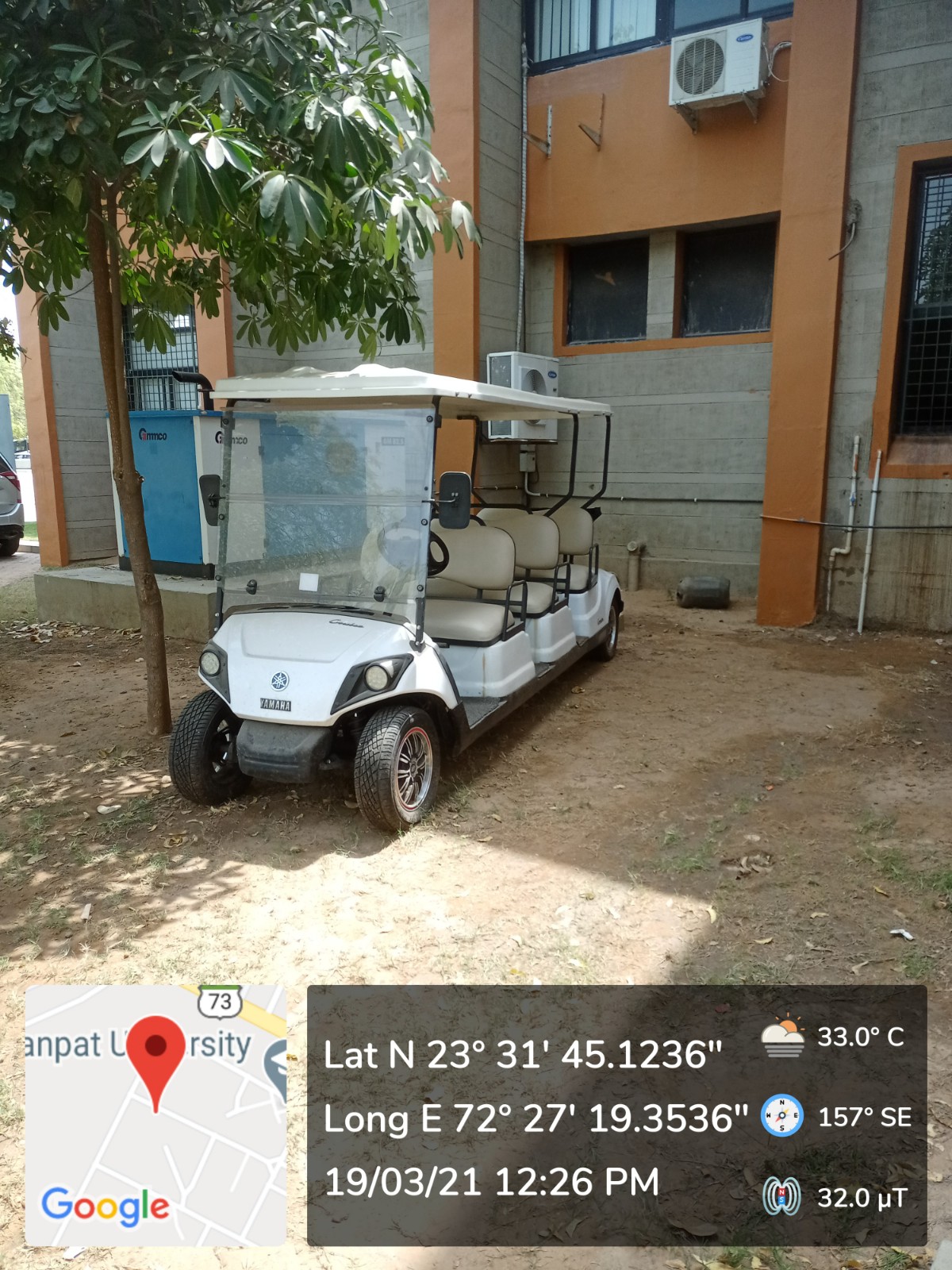
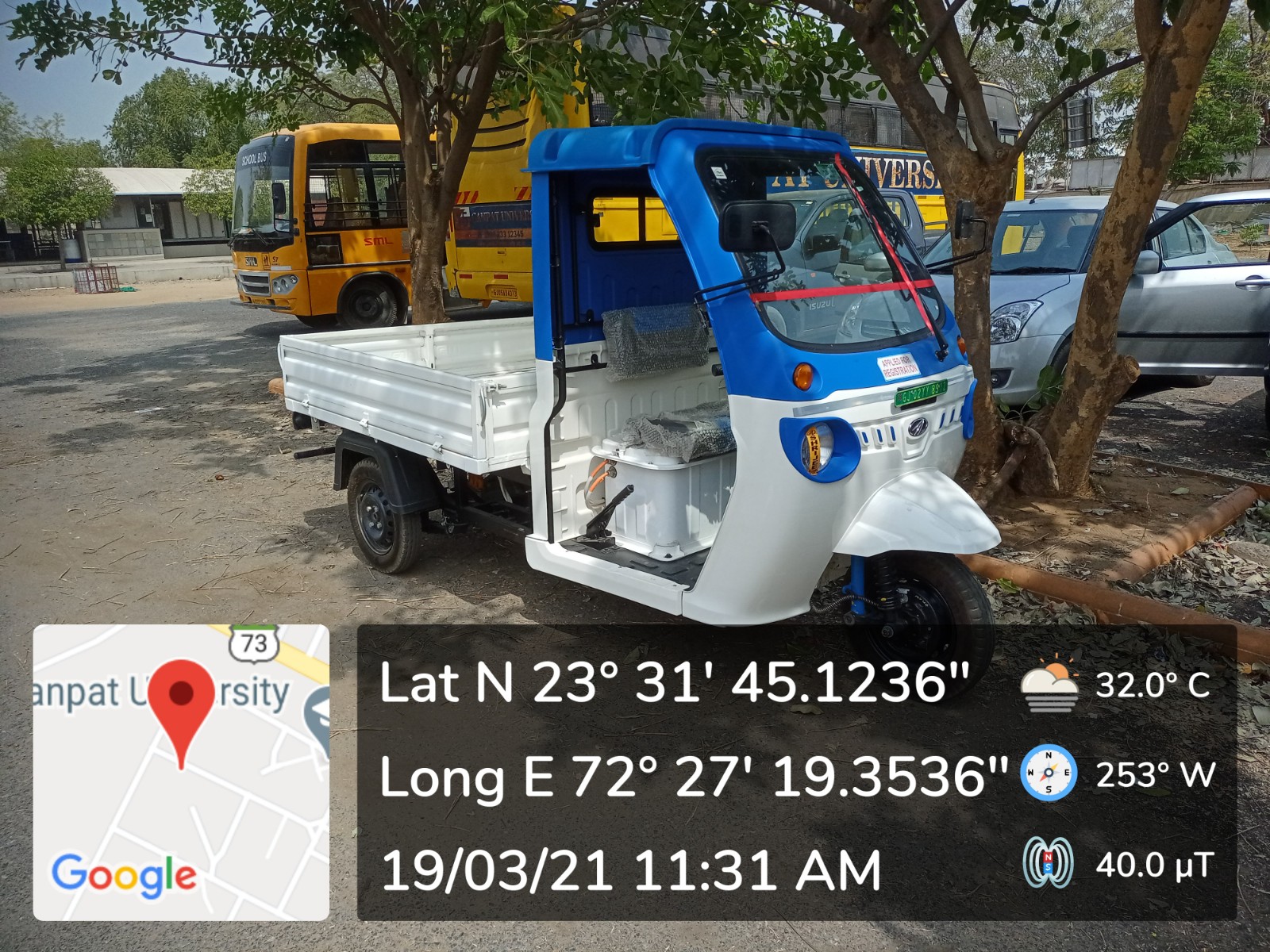
Use of Bicycles / Battery Powered Vehicles
The campus encourages zero-emission mobility through the use of bicycles and battery-powered electric vehicles, making sustainable transport the preferred choice for students and faculty across the green campus.
Bicycles & Battery-Powered Vehicles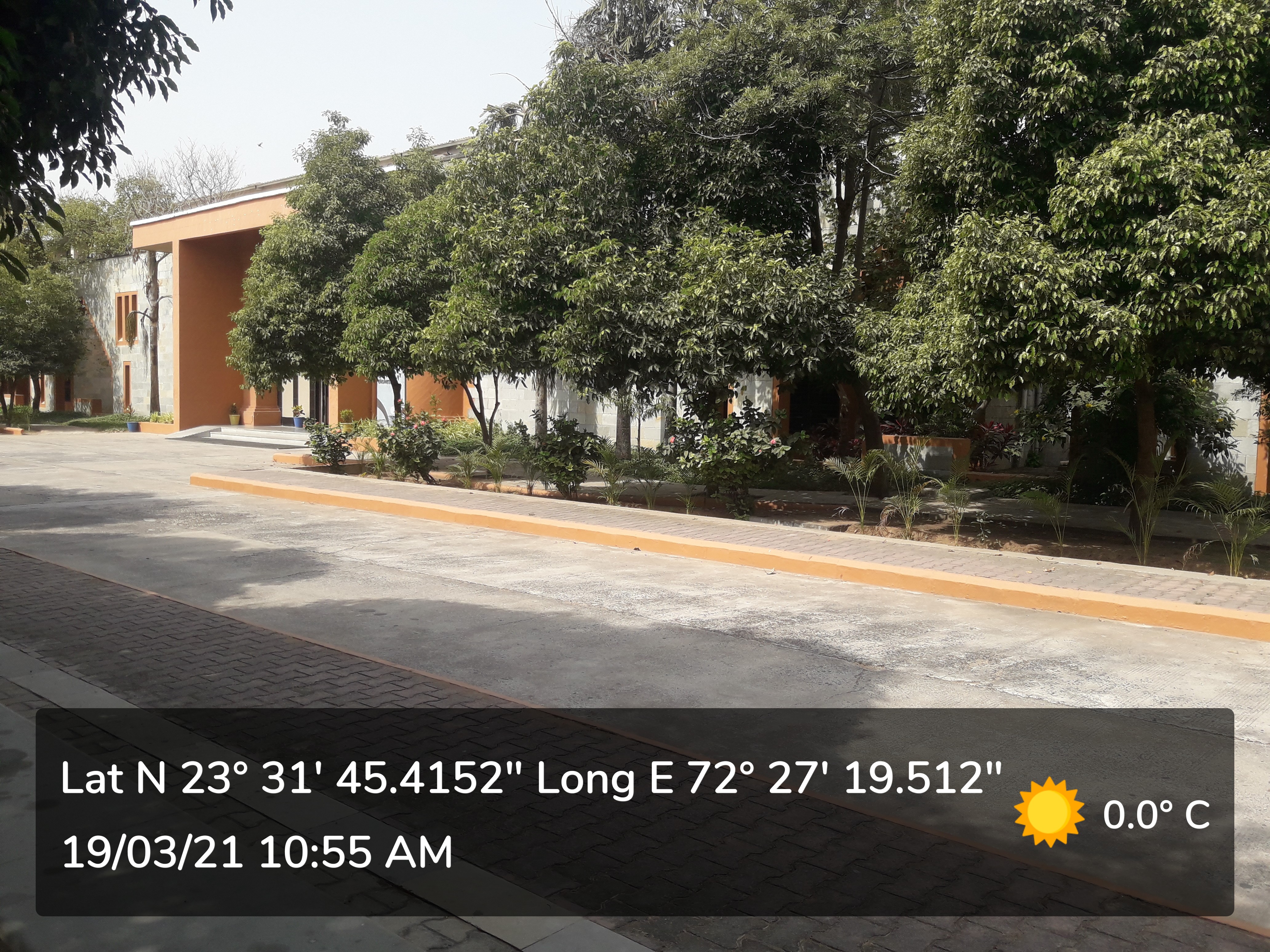
Pedestrian-Friendly Pathways
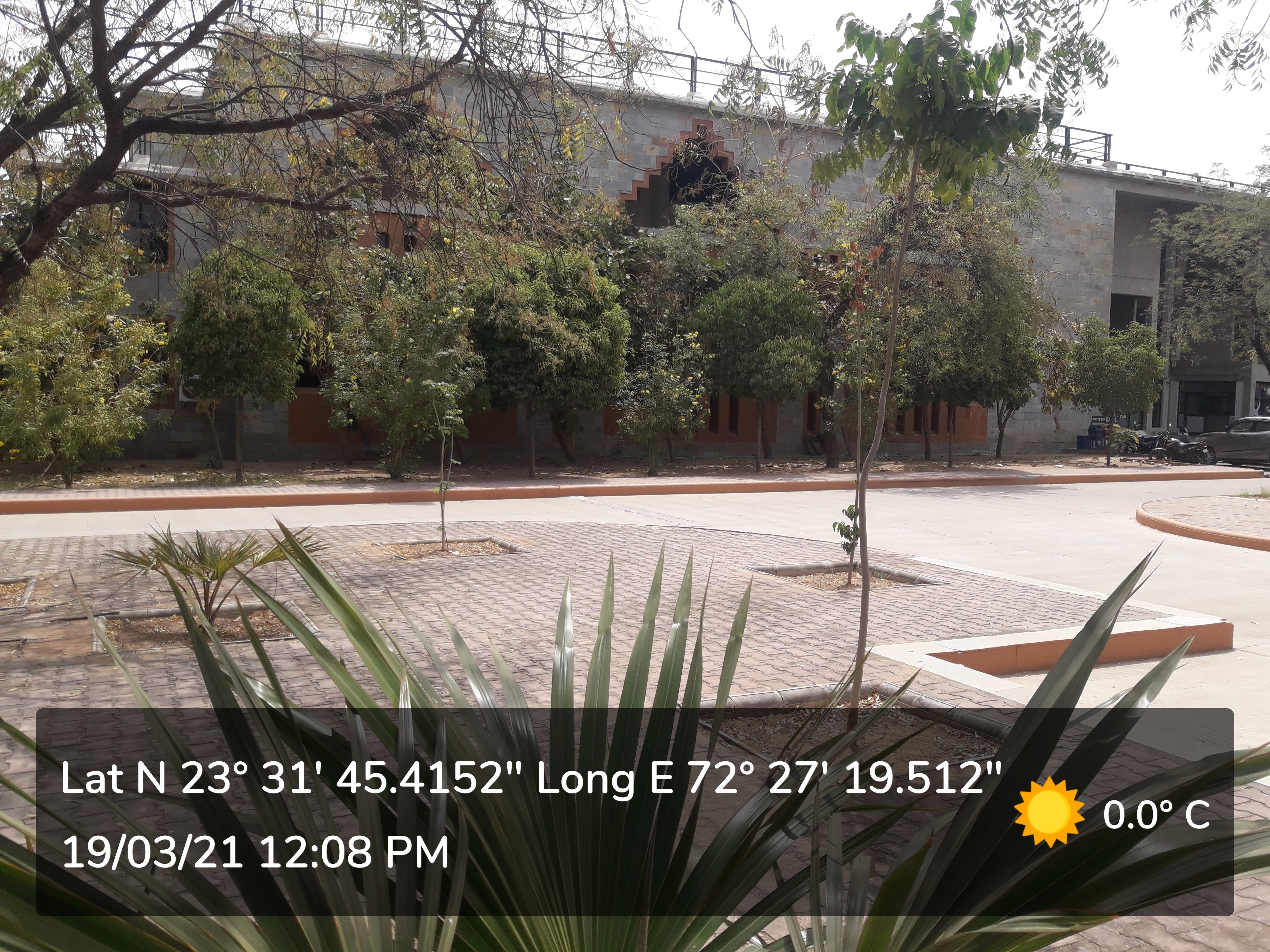
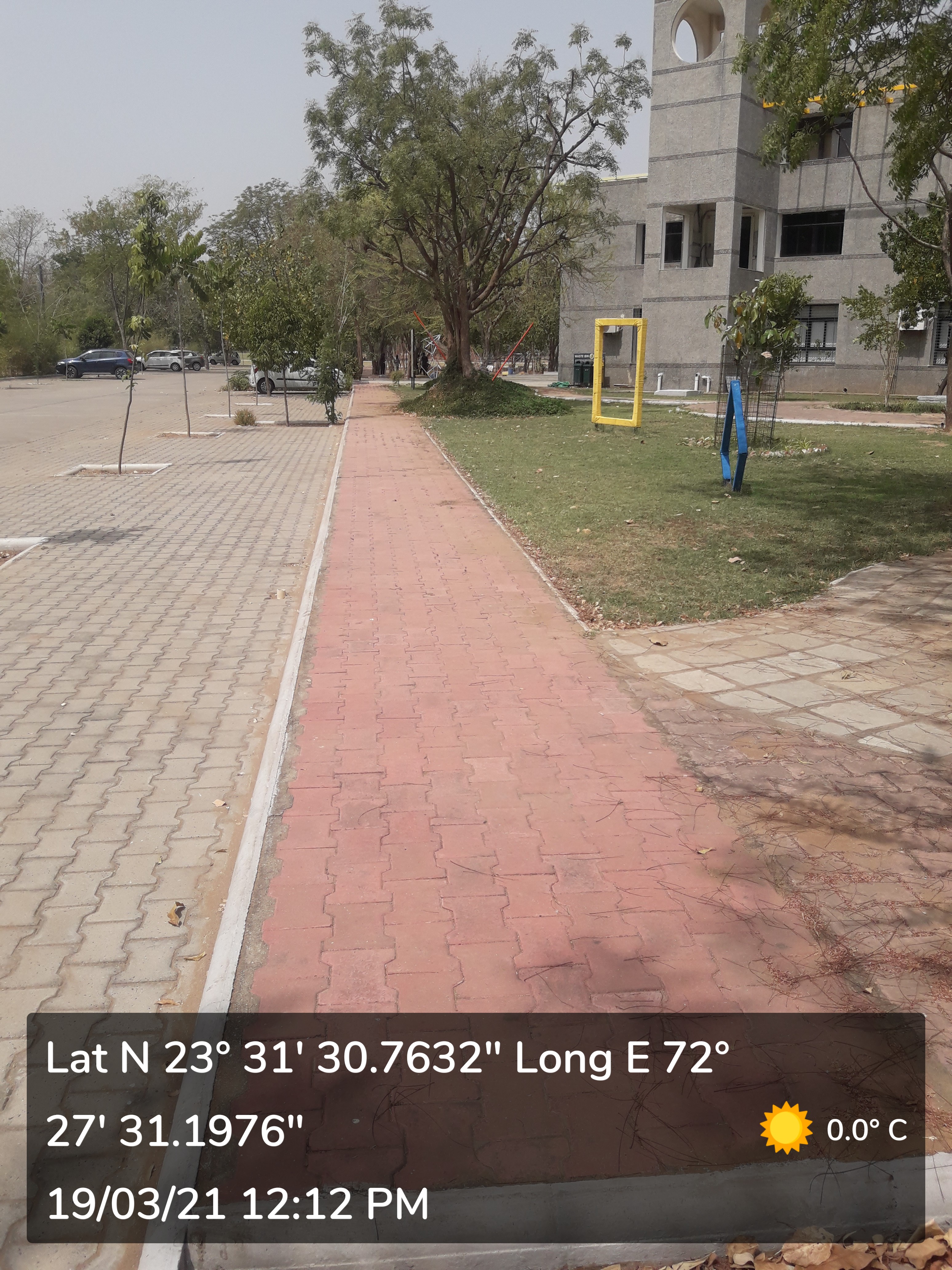
Dedicated pedestrian walkways with canopy shade from 50,000+ trees create a campus where walking is always safe and enjoyable. The campus actively promotes non-motorised movement and low-stress mobility for all students and staff.
Pedestrian-Priority Green Campus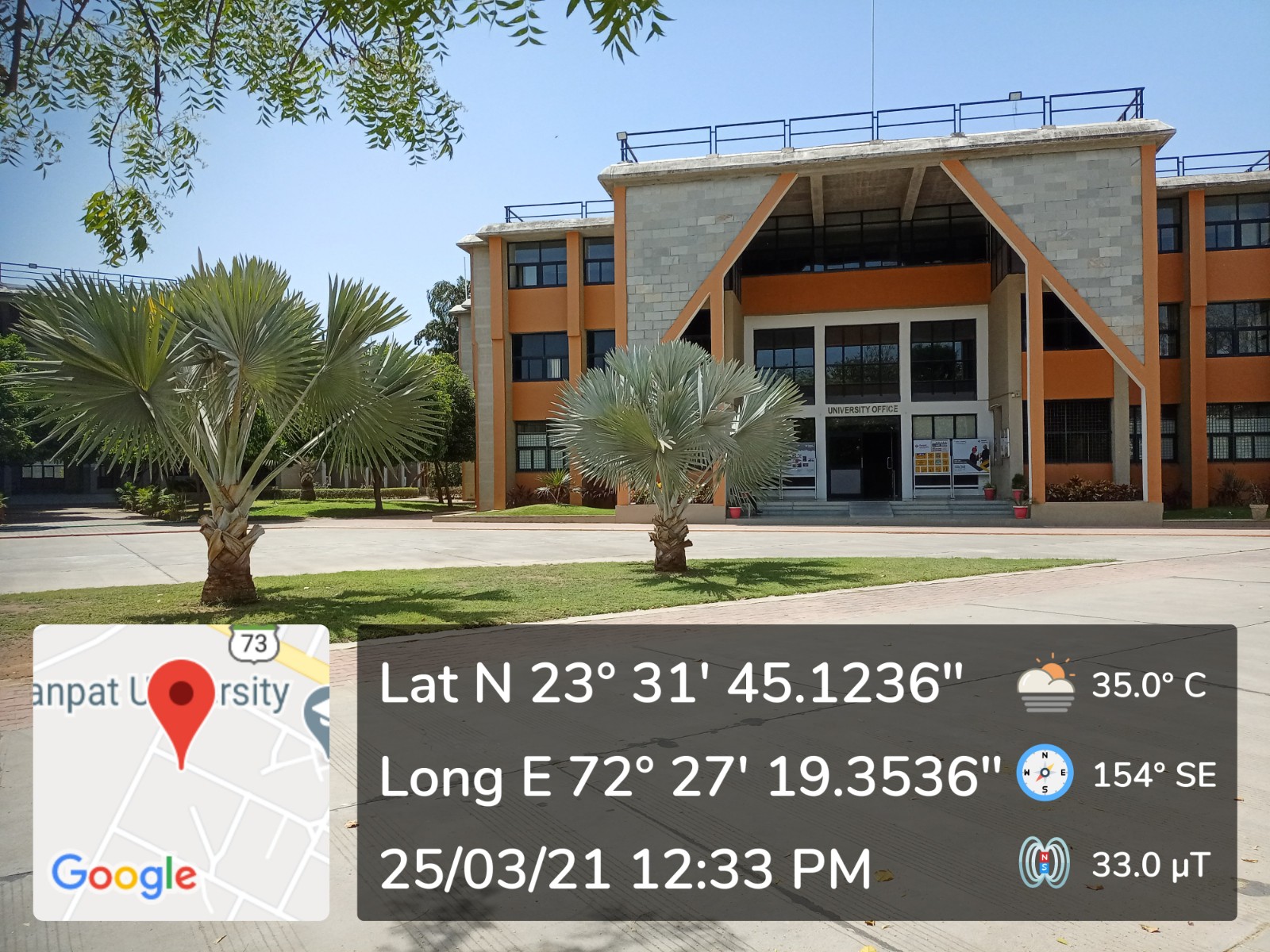
Landscaping with Trees and Plants
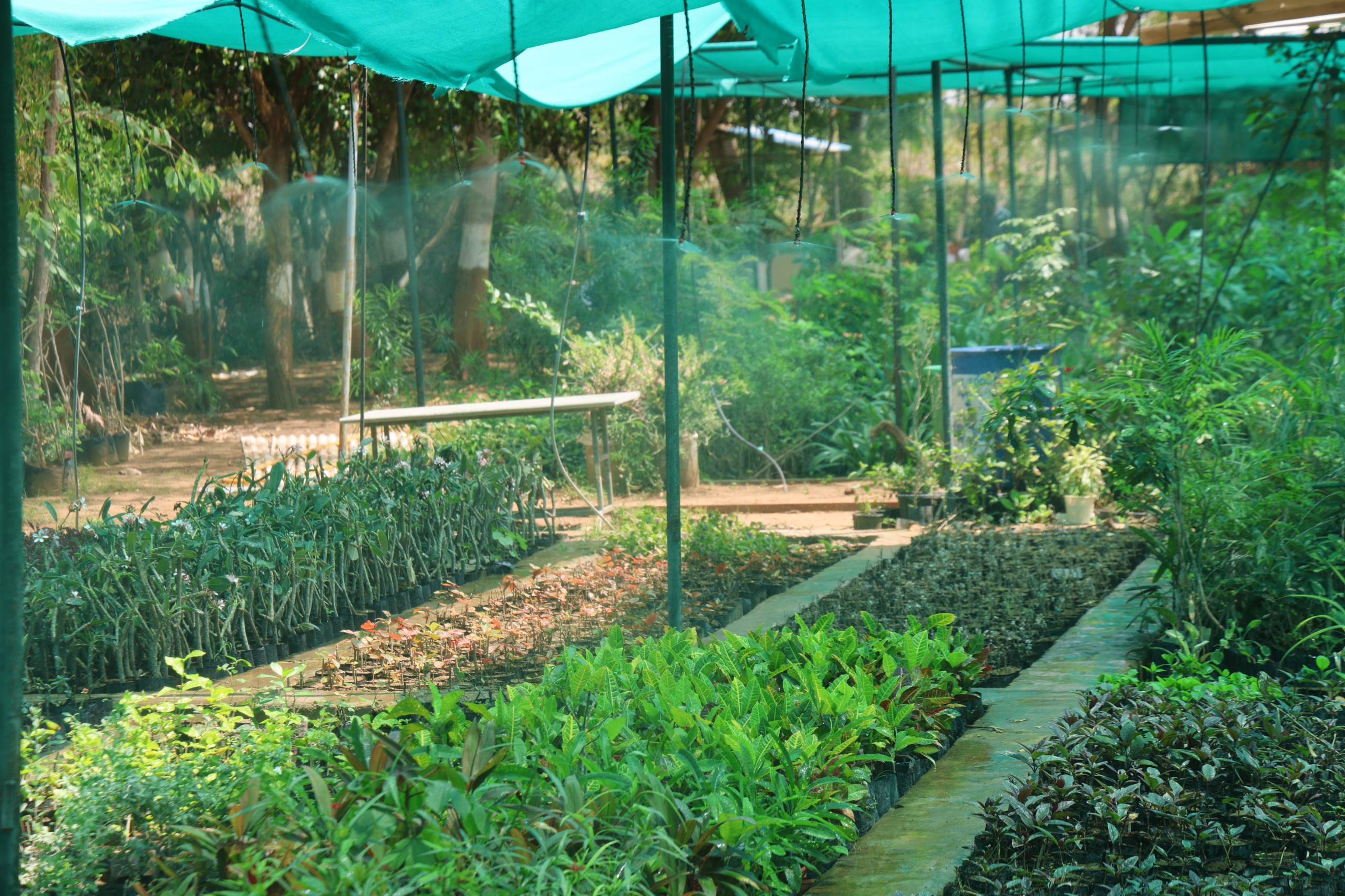
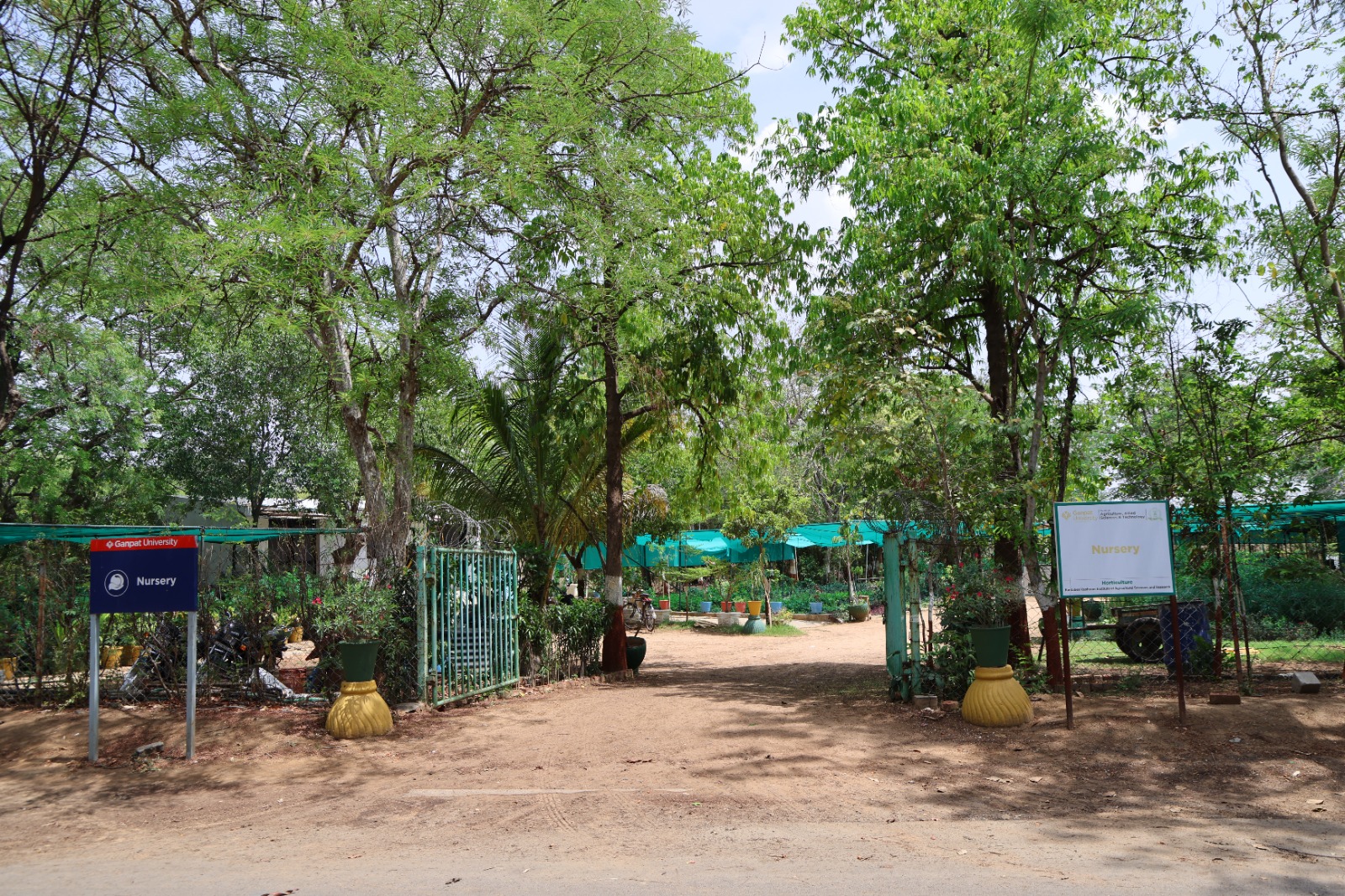
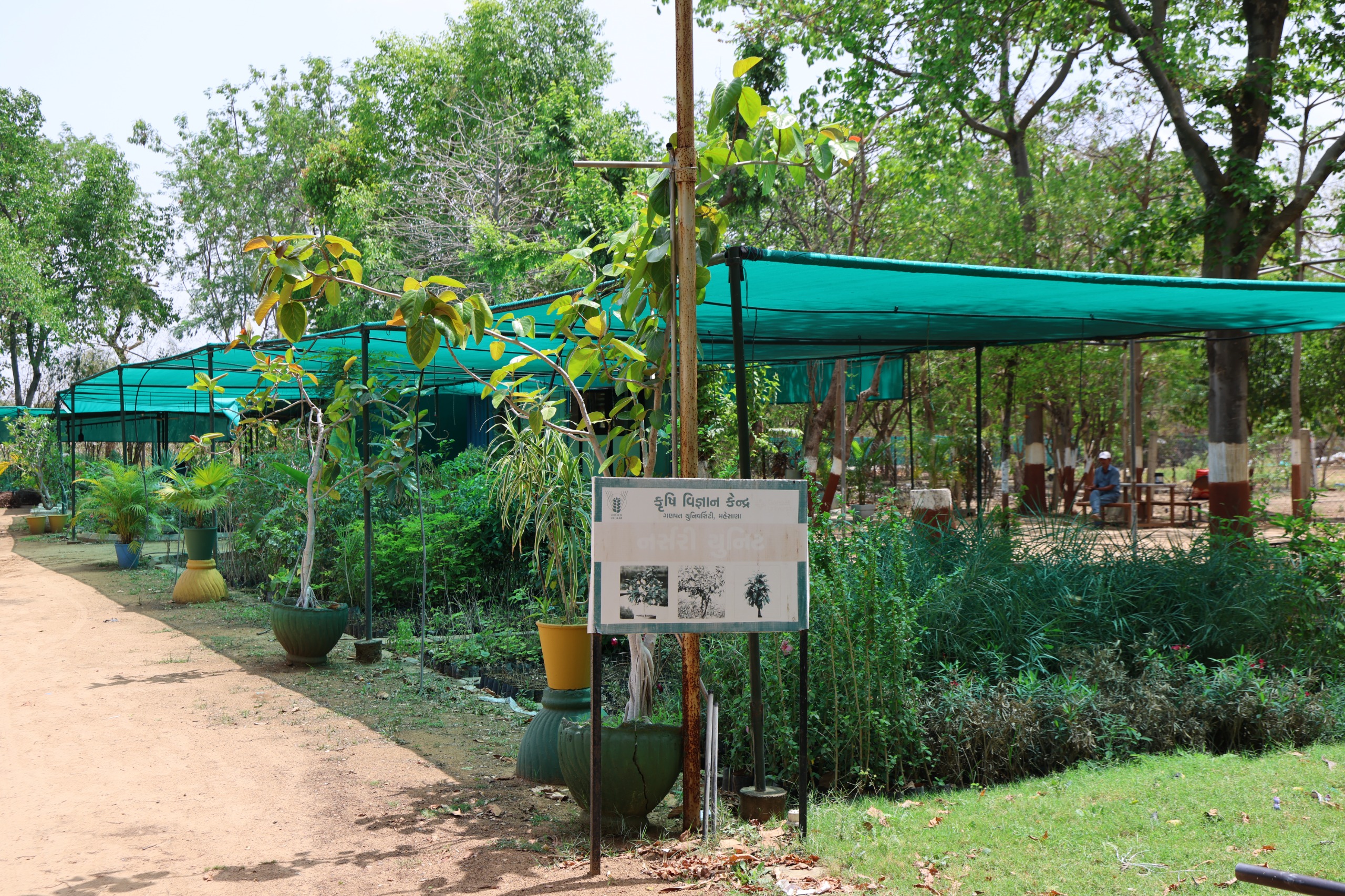
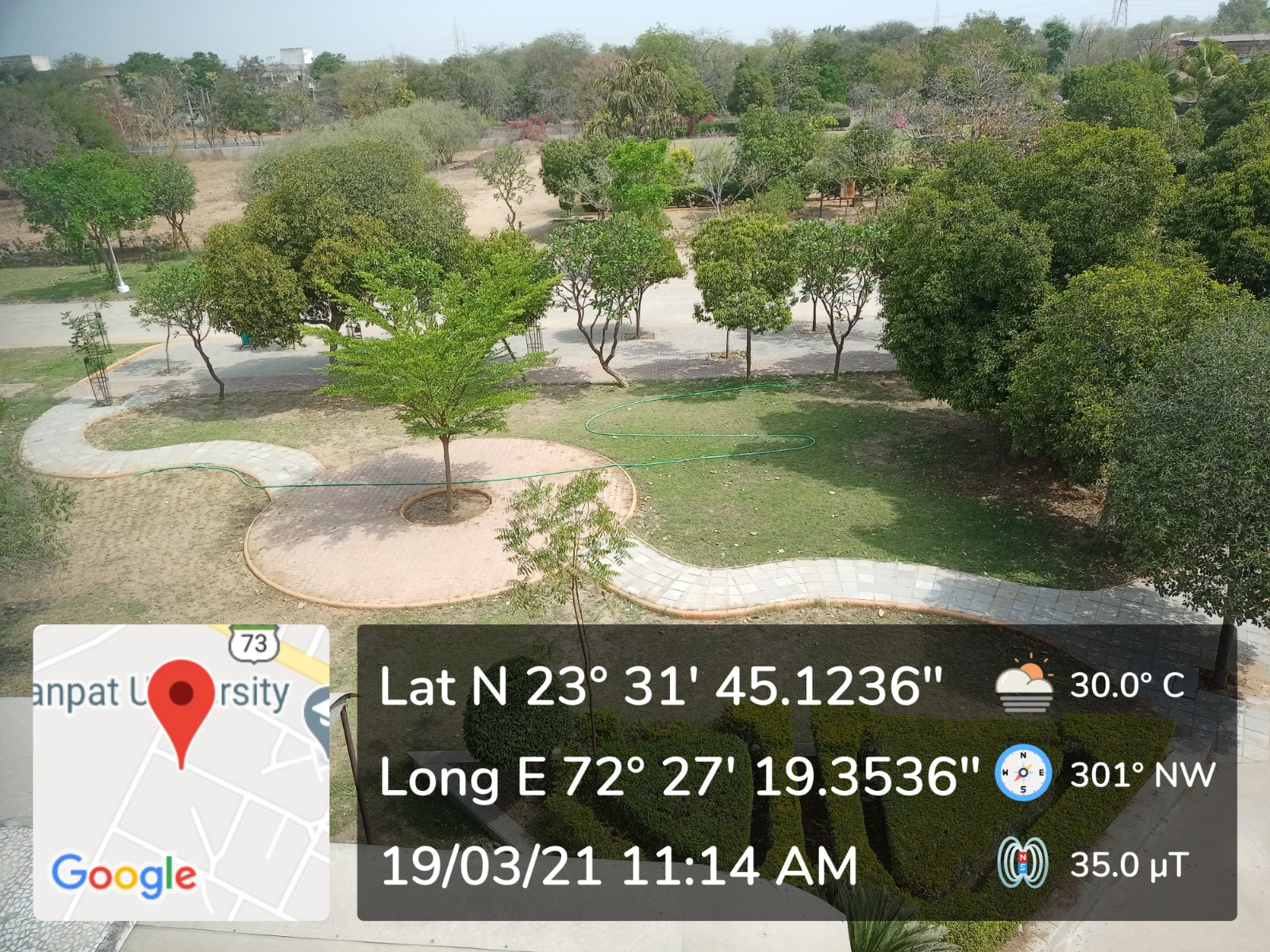
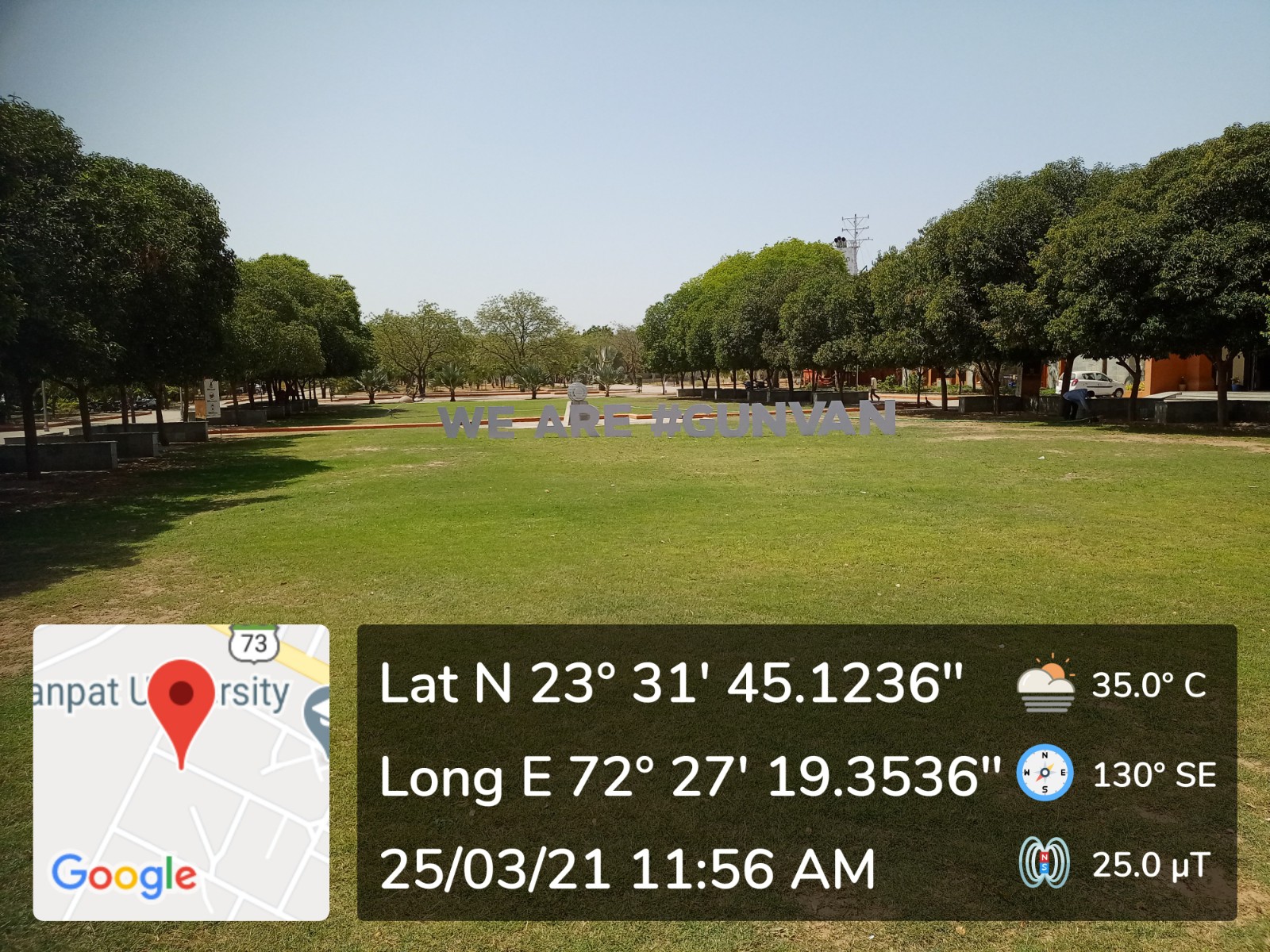
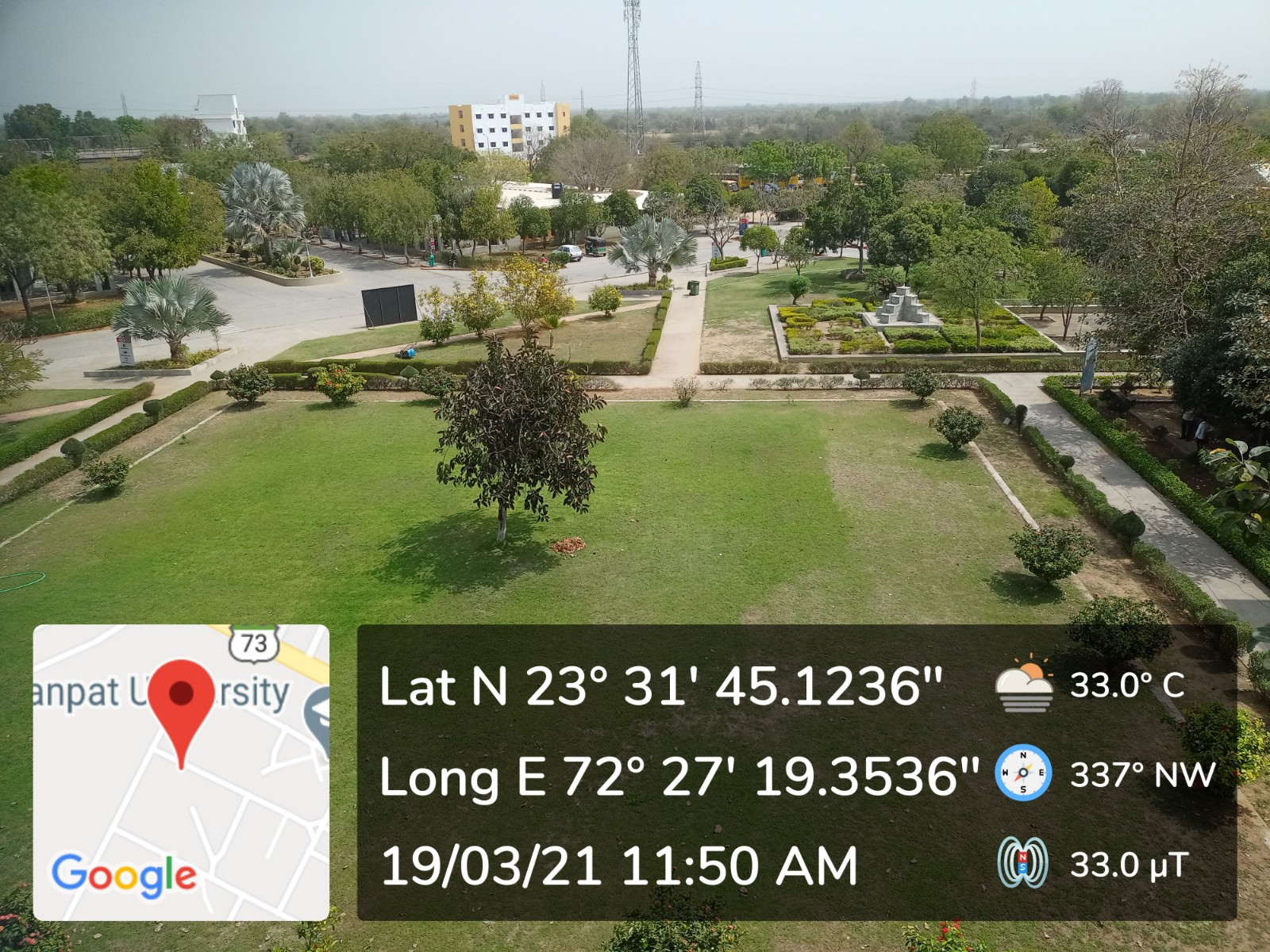
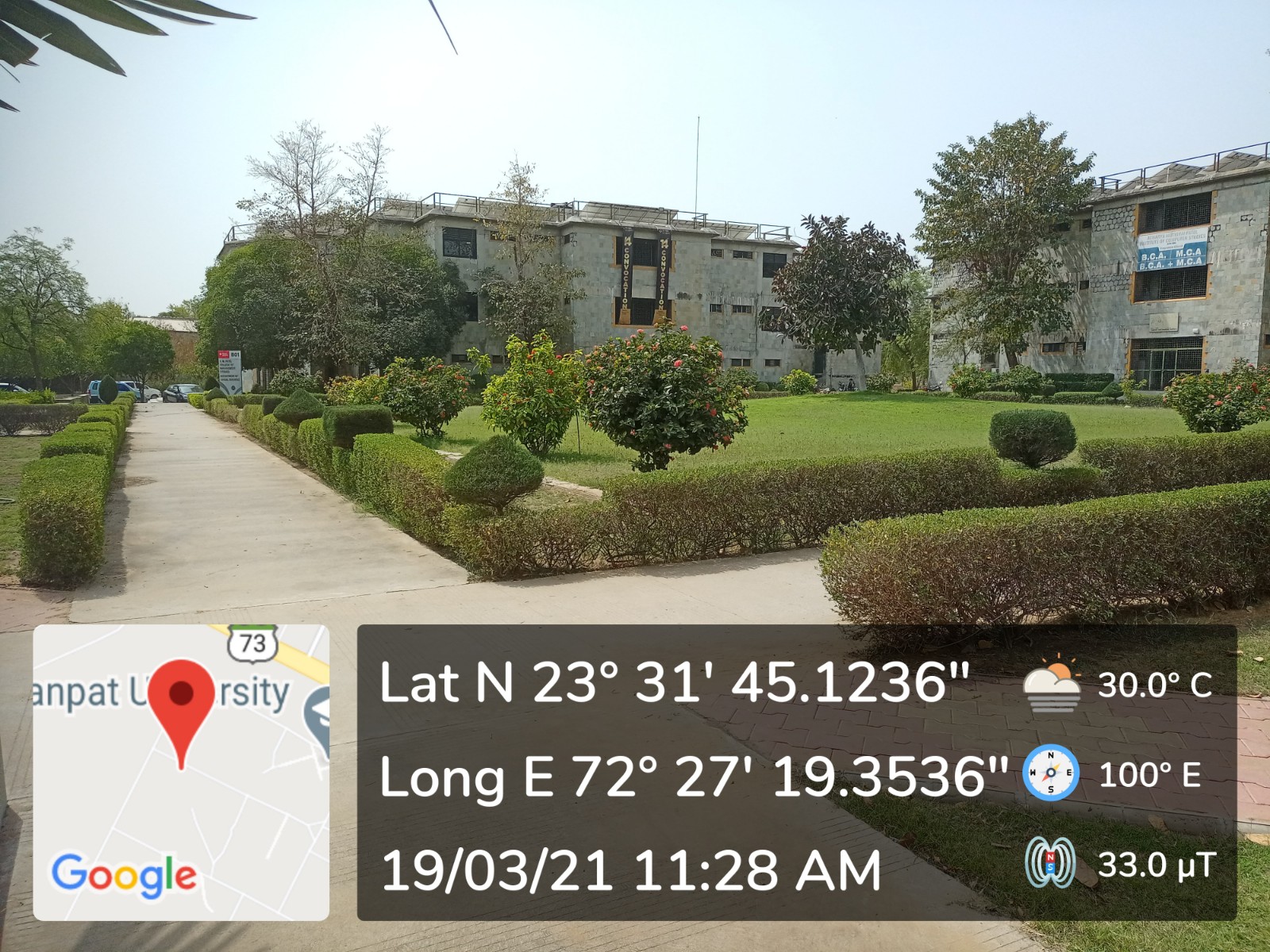
Over 60,000 trees are planted across the 300-acre campus, which is officially named the "Green Campus." The campus hosts a dedicated butterfly park, a medicinal herb garden, and vibrant seasonal flower beds. Annual Van Mahotsav plantation drives are held with the slogan "One Student, Five Trees," earning the Indira Priyadarshini Vriksha Mitra Award.
60,000+ Trees · 300-Acre Green Campus